

♥ Wishlist


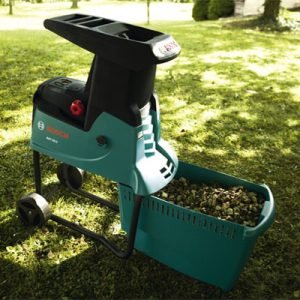
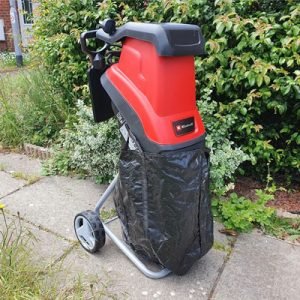
Garden shredders are practical machines for reducing branches, twigs, hedge cuttings and other suitable garden debris into smaller, more manageable pieces. For UK gardeners, they can be particularly useful after pruning, hedge trimming and seasonal garden clear-ups when a large amount of woody material needs to be dealt with. Instead of leaving bulky cuttings in piles or making repeated trips to dispose of them, a garden shredder can help process suitable waste efficiently.
When choosing a garden shredder, it is important to consider the type and thickness of material you normally need to process. Smaller domestic gardens may benefit from a compact electric shredder that is convenient for occasional maintenance, while larger gardens with heavier pruning requirements may need a machine designed for more demanding workloads. Always check the manufacturer's stated maximum branch diameter and material recommendations before use.
Electric garden shredders are a popular choice for domestic users because they are generally straightforward to operate and well suited to routine garden maintenance. They can be useful for processing hedge trimmings, smaller branches and woody plant material after pruning. Their compact format can also make them suitable for gardeners who need practical equipment without the size and complexity associated with larger professional machinery.
For UK homes, an electric model can be a convenient option when there is a suitable outdoor power supply. Consider cable reach, working area, storage space and the expected frequency of use when comparing models. Safety features, collection arrangements and ease of feeding material into the machine are also worth considering before making a purchase.
Different garden shredders are designed to handle different types of garden waste. If your main requirement is processing thin twigs and hedge cuttings, a model intended for lighter garden debris may be sufficient. If you regularly deal with thicker branches following tree or shrub pruning, look for a shredder with specifications that accommodate the material you expect to process.
Shredded garden material can take up less space than unprocessed branches and cuttings. Depending on the material and your gardening approach, the resulting pieces may be useful for composting, mulching or other garden applications. However, only process materials that are specifically approved by the manufacturer and follow the operating instructions supplied with the machine.
Check the maximum recommended branch diameter before choosing a model. A shredder intended for smaller branches may not be suitable for thick woody material. Matching the machine's capacity to your typical garden waste can help you choose more effectively.
Garden shredders can use different cutting mechanisms, and each design can offer different characteristics in terms of feeding, noise, speed and the type of material it handles. Review the manufacturer's specifications rather than selecting a machine based only on appearance or headline power figures.
Think about how often you expect to use the shredder and how much material you normally generate. Occasional users may prefer a compact solution, while gardeners carrying out frequent hedge and tree maintenance may benefit from a more robust machine.
Storage can be an important consideration in UK homes where shed and garage space may be limited. Look for practical features such as wheels, handles and a manageable footprint if you expect to move the shredder around the garden or store it between uses.
UK gardens can generate substantial amounts of pruning waste throughout the year, particularly during hedge maintenance and seasonal cutting. A suitable garden shredder can form part of a practical garden maintenance setup by helping turn bulky cuttings into smaller material. When comparing options, consider your garden layout, available power supply, storage requirements and the types of branches and cuttings you typically produce.
It is also worth considering operating convenience. Features such as collection containers, straightforward controls, wheels and accessible feeding areas can make routine garden work easier. Noise may also be relevant in residential areas, so review the manufacturer's noise information and use the machine considerately.
Always read the manufacturer's instructions before operating a garden shredder. Wear appropriate protective equipment, keep hands and loose clothing away from the feeding and cutting areas, and never attempt to clear blockages while the machine is running or connected to its power source. Keep children and other people away from the working area and inspect garden waste for unsuitable objects before feeding it into the shredder.
For the best results, select a shredder according to the material you actually need to process rather than choosing solely on motor power or price. A well-matched garden shredder can make pruning clean-up more convenient while helping you manage garden waste in a more organised way.
Whether you need equipment for occasional domestic pruning or more regular garden maintenance, comparing garden shredders by capacity, cutting system, portability, power requirements and intended use can help narrow your options. Consider the size of your garden and the thickness of your typical branches, then select a model whose specifications fit those requirements. With the right equipment, processing suitable garden waste can become a simpler part of your regular outdoor maintenance routine.
Keep garden maintenance more manageable with garden shredders designed to reduce branches, twigs, hedge trimmings and other woody garden waste into smaller pieces. Whether you are tidying a domestic garden, maintaining hedges or dealing with seasonal pruning, a suitable shredder can help reduce the volume of garden waste and make it easier to handle. Explore garden shredders for UK outdoor spaces and choose a model that matches your garden size, material types and expected workload.