

♥ Wishlist


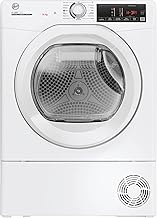


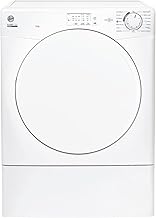


Choosing the right dryer can make everyday laundry faster, easier and more convenient. Whether you are replacing an older appliance, furnishing a new home or looking for a more efficient way to dry clothes, the right dryer should match your available space, laundry volume and household routine. Our dryer category is designed to help UK shoppers understand the options available before making a purchase.
Dryers come in several formats, with tumble dryers being one of the most popular choices for households that want dependable drying without relying on outdoor weather. Depending on the model, you may find vented, condenser and heat pump dryers, as well as different drum capacities and programmes designed for specific fabrics. Comparing these characteristics can help you identify an appliance that fits both your laundry requirements and your home.
Available space is one of the first things to consider when choosing a dryer. Measure the intended installation area carefully, including its width, depth and height, and check that there is enough room for ventilation or access where required. Some households may also need to consider whether the appliance can be positioned beside a washing machine or whether a stacking solution is appropriate.
Capacity is another important consideration. Smaller households may find a compact drum suitable for regular laundry, while larger families can benefit from a higher-capacity dryer that handles more clothes in each cycle. Selecting an appropriate capacity can reduce the number of drying cycles needed and make laundry routines more efficient.
Heat pump dryers recycle warm air during the drying process and are designed with energy efficiency in mind. They generally operate at lower temperatures than some conventional dryers, which can also make them a useful option for households that regularly dry a wide range of fabrics. They are often considered when long-term running costs and efficient operation are important priorities.
Condenser dryers collect moisture from clothes inside the appliance rather than requiring a traditional external vent. This can provide greater flexibility when deciding where to position the dryer. The water container normally needs to be emptied regularly unless the appliance has a suitable drainage arrangement.
Vented dryers remove moist air through a hose, which means they need an appropriate ventilation route. They can be a straightforward choice where the installation space already supports external venting. Before buying, check the required installation conditions and the length and positioning of the vent hose.
Modern dryers can offer a variety of programmes and functions. Sensor drying can help detect moisture levels and stop a cycle when clothes have reached the desired dryness, while timed programmes provide greater control over drying duration. Other useful settings may include dedicated cycles for cottons, synthetics, delicate fabrics, towels and mixed loads.
Consider the controls and display as well. A clear interface can make it easier to select programmes and monitor the remaining cycle time. Features such as delay start can be useful for households that prefer to schedule laundry around work, school or other daily activities. Child safety functions may also be worth considering for family homes.
Energy consumption is an important part of the total cost of owning a dryer. When comparing appliances, look at the current energy information provided for each model and consider how frequently the dryer is likely to be used. A model with suitable capacity and efficient drying technology can be particularly worthwhile for households that run several cycles each week.
Correct loading can also influence performance. Avoid overloading the drum beyond the manufacturer's recommended capacity, as this can affect airflow and drying results. Cleaning filters and following the manufacturer's maintenance instructions can help the appliance operate effectively over time.
Think about the types of clothing and household textiles you normally dry. If you regularly wash towels, bedding or larger loads, prioritise a suitable drum capacity and programmes designed for those items. If you frequently dry delicate clothing, look for lower-temperature settings and fabric-specific programmes.
Noise levels may also matter, particularly if the dryer is installed near living areas or bedrooms. Checking the appliance specifications can help you choose a model that fits comfortably into your home environment. Door orientation, drum opening size and overall appliance dimensions are additional practical details that can make everyday loading and unloading easier.
A useful comparison should consider more than the purchase price. Look at dryer type, capacity, dimensions, drying technology, programmes, energy efficiency, noise level and installation requirements together. This approach helps you identify the model that offers the best balance for your particular household rather than simply selecting the cheapest option.
For UK shoppers, it is also sensible to check the manufacturer's specifications and installation guidance before ordering. Make sure the appliance will fit through doorways and into the intended location, and confirm whether any drainage, ventilation or electrical requirements apply. Taking these steps before purchase can help prevent installation problems later.
The best dryer is one that fits naturally into your laundry routine. Whether you prioritise energy efficiency, generous capacity, flexible programmes, compact dimensions or straightforward operation, comparing the available options can make it easier to find a suitable appliance. Explore the dryer range and consider the features that matter most to your household before choosing your next laundry appliance.