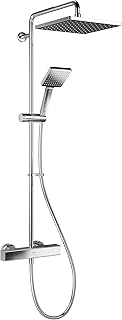

Our experts reviewed the latest {category_name } to help you compare quality, performance, durability and overall value before making your purchase.
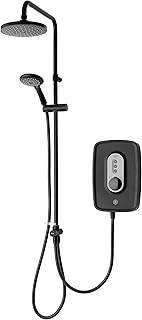


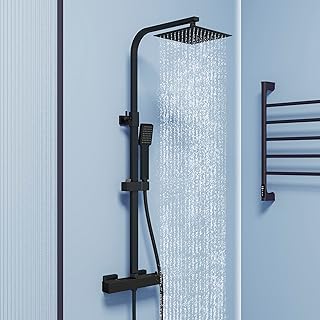


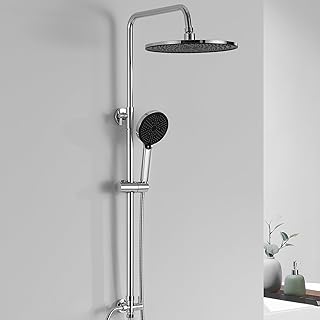


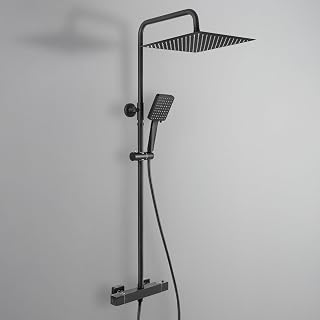


Choosing a shower is about more than finding the highest-rated model or the most attractive finish. The right choice depends on your water system, available water pressure, electrical capacity, bathroom layout, preferred temperature control, expected frequency of use and the type of installation you already have. For UK households, the main categories worth comparing are electric showers, thermostatic mixer showers, manual mixer showers, power showers and digital or smart showers. Each has a different set of strengths, and a shower that performs exceptionally well in one bathroom may be unsuitable in another. This expanded guide is intended to help you compare specifications before buying, understand the practical differences between shower types and identify the features that are genuinely useful rather than simply adding to the specification sheet. Electric showers are particularly versatile because they normally require a cold-water supply and an appropriate electrical connection rather than a hot-water feed from the boiler. This makes them useful for bathrooms, en-suites and other locations where extending hot-water pipework would be inconvenient. Current UK ranges from brands such as Triton, Mira and Aqualisa illustrate the breadth of the market, from straightforward manual models to thermostatic and digitally controlled designs. Aqualisa, for example, currently offers electric models in 8.5kW, 9.5kW and 10.5kW configurations, while Triton's range includes multiple electric shower designs and power ratings. Not automatically, but power rating is an important specification when comparing electric showers. In broad terms, a higher electrical power rating can provide a greater rate of heated water, assuming the incoming water supply and installation are suitable. Common ratings include approximately 8.5kW, 9.5kW and 10.5kW, with some products offering ratings above these levels. The difference can be noticeable in colder conditions, because more energy is required to raise incoming cold water to a comfortable shower temperature. However, choosing a higher-powered model without checking the existing electrical installation is a common buying mistake. The shower circuit, protective devices, cable arrangement and consumer unit all need to be appropriate for the chosen appliance. Electrical Safety First advises that an electric shower should have its own circuit and that bathroom circuits require appropriate RCD protection. Electrical installation work should be carried out by a suitably competent professional. Do not select a kW rating purely because it appears more powerful on a product page. The correct rating is the highest practical option that is compatible with the property's electrical supply and the shower manufacturer's installation requirements. The control system can make a bigger difference to everyday usability than cosmetic features such as the colour or shape of the shower enclosure. A thermostatic shower is designed to regulate temperature automatically rather than relying entirely on the user to balance hot and cold water manually. This makes thermostatic control particularly appealing to families, households with children and users who want a more predictable shower temperature. Thermostatic control is not a guarantee that temperature will never fluctuate. Performance still depends on the water system, pressure, installation and the shower's design. Nevertheless, temperature regulation is an important specification to prioritise when comfort and consistency matter more than the lowest purchase price. Manual mixers are comparatively straightforward. The user adjusts the hot and cold supplies directly to achieve the desired temperature. Their simplicity can be an advantage where ease of use, cost and uncomplicated controls are priorities. The main limitation is that changes elsewhere in the plumbing system can affect the balance between hot and cold water. For a busy household, a thermostatic design may therefore be preferable. Water pressure is one of the most important factors in shower selection. A high-specification shower cannot compensate indefinitely for an unsuitable water supply. Before buying a mixer, power or digital shower, establish whether the property uses a combi boiler, unvented cylinder, conventional vented system, cold-water storage cistern or another arrangement. The available pressure and flow can vary significantly between systems. Combi boilers provide hot water directly from the mains rather than storing a large volume of hot water in a cylinder. Shower performance can therefore depend on the incoming mains flow and the boiler's ability to supply hot water at the required rate. A mixer shower can work particularly well with a suitable combi system, but the shower specification should always be checked against the minimum and maximum pressure and flow requirements. Traditional gravity-fed systems can have comparatively low pressure, especially at the shower outlet if the cold-water storage tank is not far above the shower head. A shower designed specifically for lower-pressure conditions, or a suitable pumped arrangement, may be more appropriate than choosing a standard mixer based solely on appearance. Unvented hot-water cylinders can provide mains-pressure hot water when correctly designed and installed. They can be well suited to high-performance mixer showers, provided the cylinder, incoming mains and shower specifications are compatible. The shower head has a direct effect on how powerful or relaxing a shower feels, yet it is frequently overlooked when comparing complete shower systems. Do not judge shower performance solely from the number of spray settings. A shower head with five patterns is not necessarily better than one with three. The quality of the spray, available flow and ease of cleaning can matter more. Water hardness can have a significant effect on shower maintenance. Mineral deposits can accumulate around spray nozzles, shower heads, hoses and internal components, potentially affecting the appearance and performance of the installation. Flexible rubberised nozzles can be particularly convenient because deposits can often be loosened more easily than on rigid, narrow spray outlets. Current consumer testing and buying guidance also highlights the importance of considering limescale when selecting shower heads for hard-water areas. Regular cleaning is usually preferable to allowing a thick layer of scale to accumulate. Always follow the manufacturer's instructions for descaling products and cleaning methods rather than assuming that every chemical is safe for every finish or component. Digital shower technology has moved beyond simple electronic temperature displays. Current premium ranges can include digital controls, remote controls, app connectivity, user profiles, voice control and water-use monitoring. Aqualisa's current smart-shower range, for example, includes models with combinations of Wi-Fi, app, voice, remote and usage-related functionality. These features can be genuinely useful, but they should be treated as convenience upgrades rather than evidence of superior fundamental shower performance. App control and voice integration can be attractive, but they should not override basic considerations such as installation compatibility, temperature stability, serviceability and long-term parts availability. If you rarely use connected-home technology, a high-quality thermostatic shower with simple controls may deliver a better value proposition than an expensive smart system whose additional functions will rarely be used. Installation compatibility should be established before purchasing a shower, particularly when replacing an existing unit. A like-for-like replacement can sometimes be considerably simpler than changing shower type, but compatibility should still be confirmed. Electrical Safety First specifically recommends professional installation for electric showers and notes the importance of dedicated circuits and RCD protection in bathroom installations. An exposed shower keeps more of the working pipework and control equipment visible. This can simplify access for maintenance and may be useful when replacing an existing installation without extensive wall alterations. The trade-off is visual. Some homeowners prefer the cleaner appearance of a concealed system. Concealed installations hide much of the pipework and control equipment behind the wall. They can create a minimalist appearance and work particularly well in contemporary bathroom designs. However, installation can be more involved, especially where the existing wall has not been designed to accommodate concealed plumbing or controls. Future access to components should also be considered before committing to the design. A complete shower experience depends on more than the main control unit. The riser rail, hose, handset and brackets should all be assessed for usability and durability. Safety should take precedence over styling, connected features and decorative finishes. Product safety features should always be assessed alongside correct installation. A sophisticated safety system cannot compensate for an incorrectly installed electrical or plumbing system. Brand reputation can be a useful starting point, but it should not replace specification-by-specification comparison. Well-known UK shower manufacturers include Triton, Mira, Aqualisa, Bristan and other established bathroom brands. Triton offers a broad range of electric showers, including straightforward models and higher-specification thermostatic products. Its current catalogue includes the T80Z Fast-Fit, ENVi and ENlight ranges alongside other electric shower options. Triton can therefore be worth considering when replacement compatibility, a wide choice of configurations and straightforward controls are important. Mira is another established name with electric, thermostatic, mixer and power-shower products. Its range spans practical models through to more specialised designs, so comparing the individual specification is more useful than choosing purely on brand name. Aqualisa is particularly relevant to buyers interested in digital controls, smart showering and contemporary designs, while its electric range also includes simpler models. Current Aqualisa electric products include E1, E2 and eMotion models alongside premium options. Bristan is another brand worth including when comparing UK shower options, particularly if you are assessing mixer and electric shower products across different budgets and bathroom styles. When two showers look similar on a retailer's page, compare the following specifications rather than relying on photographs or review scores alone. A higher rating does not automatically make a shower the best choice. The property's electrical infrastructure must be suitable, and the water supply remains relevant to the overall experience. A premium mixer shower can disappoint if the home's water system cannot deliver the required pressure and flow. Check the manufacturer's requirements before ordering. Replacement showers can have different inlet arrangements, dimensions and installation requirements. A visually similar product may still require plumbing alterations. The initial purchase price is only one part of long-term value. A shower that has readily available replacement components may be more practical to own than one that becomes difficult to repair after a few years. Digital displays, apps, voice control and user profiles can be valuable, but only when they solve a real problem. Spend more on features that affect everyday performance rather than those that simply make the specification look impressive. A good control unit paired with an unsuitable shower head can produce an underwhelming experience. Consider spray pattern, flow, adjustment and cleaning alongside the main shower specification. A family bathroom normally benefits from straightforward controls, reliable temperature management and components that can tolerate frequent use. Space-saving design can become more important than additional features in a compact bathroom. An electric shower can be particularly convenient where extending hot-water pipework is undesirable. Slim controls, compact shower heads and carefully positioned riser rails can help maximise usable space. For an en-suite, also consider how frequently the shower will be used and whether the available electrical and water infrastructure places limitations on the choice. Accessibility changes the priorities. Easy-to-read controls, predictable temperature, secure handsets and sensible mounting heights may be more important than maximum flow. For specialist accessibility requirements, the shower should be selected as part of the wider bathroom design rather than treated as an isolated product decision. Efficiency is influenced by shower type, power rating, water flow, shower duration and the way the system is used. A lower-power electric shower can use less electricity at a given moment, but the relationship between power, temperature and duration means that the whole usage pattern matters. Look for practical efficiency features such as adjustable flow, eco modes, clear temperature controls and water-use monitoring where relevant. Some modern products explicitly include functions intended to reduce energy or water consumption. Aqualisa's eMotion range, for example, includes controls intended to let users adjust energy and water use. Rather than choosing a shower solely because it is marketed as economical, compare the manufacturer's specifications and consider how your household actually showers. Remove surface deposits before they become difficult to clear. Follow the manufacturer's cleaning instructions, particularly for coated, metallic or specialist finishes. Flexible shower hoses should be checked periodically for signs of damage, splitting, corrosion or deterioration. A damaged hose should not simply be ignored because the shower itself continues to operate. Blocked nozzles can alter the spray pattern and reduce perceived performance. Easy-clean designs can make routine maintenance considerably simpler. Repeated tripping, burning smells, unusual noises or other abnormal electrical behaviour should be treated as a reason to stop using the appliance and obtain appropriate professional advice rather than continuing to operate it. A shower is a long-term bathroom fitting, so serviceability deserves attention during the buying process. A product can appear inexpensive initially but become less attractive if essential components are difficult to obtain. Before choosing a model, check whether the manufacturer provides replacement components and whether the shower has a clear product identification or model number. This information can make future maintenance much easier. Established brands such as Triton, Mira and Aqualisa have broad product ranges and dedicated support infrastructures, but availability varies by individual model and should be checked for the exact shower being considered. There is no single best shower for every UK home. Electric showers are useful where independent hot water is important, thermostatic mixers are attractive for temperature control, power showers can suit appropriate low-pressure systems, and digital showers are useful when advanced controls are a priority. Not necessarily. A 10.5kW shower can offer greater heated-water output, but it also requires an electrical installation capable of supporting that rating. A well-matched 9.5kW shower can be the more sensible choice where the electrical supply or household requirements do not justify the higher rating. They can be, particularly for families and households that value predictable temperature control. Whether the additional cost is worthwhile depends on the water system, model and intended users. Do not choose solely from a general recommendation. First establish the actual water pressure and system type, then compare products specifically rated for those conditions. Pumped power showers can be relevant to some low-pressure systems, while certain electric showers are designed to operate across a range of supply conditions. Yes. An electric shower heats incoming cold water itself, so it does not depend on stored hot water from the boiler system. This is one reason electric showers can be useful for en-suites and households wanting an independent hot-water source. Choose the rating according to your desired performance and, critically, the electrical installation available at the property. Common UK options include 8.5kW, 9.5kW and 10.5kW. The correct choice should be confirmed against the manufacturer's requirements and by a suitably qualified installer where electrical work is involved. Triton, Mira, Aqualisa and Bristan are among the established brands worth comparing in the UK. The best brand for you depends on the individual model, installation requirements, water system, controls, parts availability and budget rather than reputation alone. They can be worthwhile if precise settings, remote controls, user profiles, app functionality or water-use information are genuinely useful to you. If you mainly want reliable temperature and flow, a good conventional thermostatic shower may offer better value. The ideal frequency depends on water hardness, usage and the shower head design. In a hard-water area, regular cleaning is particularly important because mineral deposits can build up around spray nozzles. Follow the manufacturer's recommended cleaning procedure. Not always. A like-for-like replacement can reduce installation complexity, but a bathroom renovation may be an opportunity to move from one shower type to another. Before changing type, check the water system, electrical supply, pipework and wall requirements. Check the kW rating, dedicated electrical supply, protective devices, cable and installation requirements, water inlet arrangement, minimum water pressure, physical dimensions and compatibility with the existing installation. Electrical Safety First recommends that electric showers are installed by a registered competent electrician and notes that they should be supplied on their own circuit with appropriate RCD protection. The best shower is the one that matches the property rather than the one with the longest specification list. Start with the fundamentals: water system, pressure, flow, electrical capacity and installation constraints. Then compare temperature control, shower head performance, ease of use, maintenance, replacement parts and warranty terms. For many buyers, a well-specified thermostatic shower from an established manufacturer will provide a better long-term balance than an inexpensive model overloaded with features. For others, an electric shower may be the simplest solution, while a premium digital system can make sense where convenience and personalised controls are genuinely important. When comparing products, always verify the exact model number and current manufacturer specifications because shower ranges can contain several visually similar versions with different power ratings, controls, connection arrangements and included accessories. Finally, treat installation compatibility as part of the product decision. A shower that looks ideal on paper is not the right purchase if the home's plumbing or electrical system cannot support it without unsuitable or unexpected alterations.How to Choose the Best Shower for Your UK Bathroom in 2026
Quick Comparison: Which Type of Shower Is Right for You?
Electric Showers: What You Need to Know Before Buying
Does a Higher kW Rating Mean a Better Shower?
8.5kW vs 9.5kW vs 10.5kW Electric Showers
Thermostatic vs Manual Shower Controls
Thermostatic Showers
Manual Mixer Showers
Water Pressure and Flow Rate: The Specification Buyers Often Miss
Combi Boiler Systems
Gravity-Fed Systems
Unvented Cylinders
Shower Head Design and Spray Patterns
Hard Water, Limescale and Shower Maintenance
Features Worth Looking For in Hard-Water Areas
Digital and Smart Showers: Which Features Are Actually Useful?
Useful Digital Features
Features That May Not Be Worth Paying Extra For
Shower Installation: What to Check Before Ordering
Exposed vs Concealed Shower Installation
Exposed Showers
Concealed Showers
Shower Hose, Riser Rail and Handset Considerations
Shower Safety Features Worth Prioritising
Best Shower Brands to Compare in the UK
Triton
Mira
Aqualisa
Bristan
How to Compare Two Showers Properly
Common Shower Buying Mistakes
Choosing by kW Rating Alone
Ignoring Water Pressure
Assuming Every Shower Fits the Same Pipework
Buying the Cheapest Model Without Considering Parts
Overpaying for Features You Will Not Use
Forgetting the Shower Head
How to Choose a Shower for a Family Bathroom
How to Choose a Shower for a Small Bathroom or En-Suite
How to Choose a Shower for an Older Person or Accessible Bathroom
Energy and Water Efficiency
Maintenance Guide: Keeping a Shower Performing Well
Clean the Shower Head Regularly
Inspect the Hose
Keep Spray Nozzles Clear
Do Not Ignore Unusual Electrical Behaviour
Understanding Replacement Parts and Long-Term Value
Shower Buying Checklist
Frequently Asked Questions About Choosing a Shower
What is the best type of shower for a UK home?
Is a 10.5kW electric shower better than a 9.5kW model?
Are thermostatic showers worth it?
Which shower is best for low water pressure?
Do electric showers work when the boiler is switched off?
What kW electric shower should I buy?
Which shower brand is best?
Are digital showers worth the extra money?
How often should a shower head be cleaned?
Should I replace an old shower with the same type?
What should I check before buying an electric shower?
Final Buying Advice