

Our experts reviewed the latest {category_name } to help you compare quality, performance, durability and overall value before making your purchase.
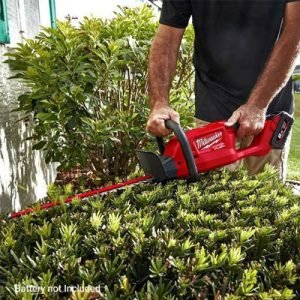
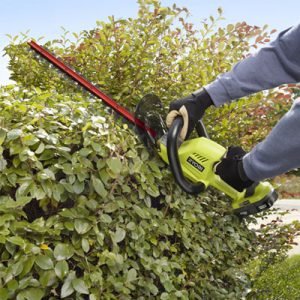
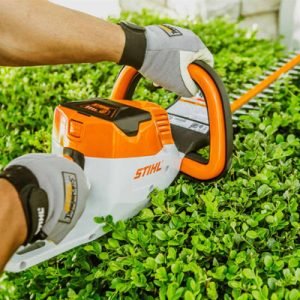
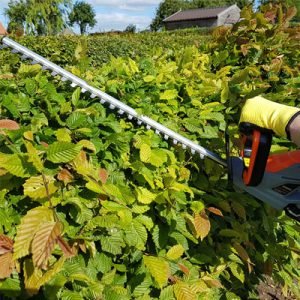
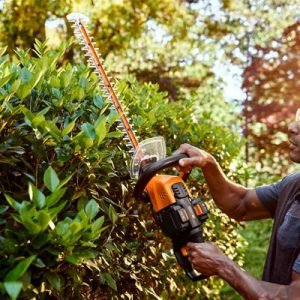


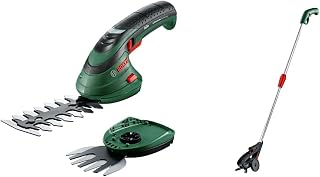


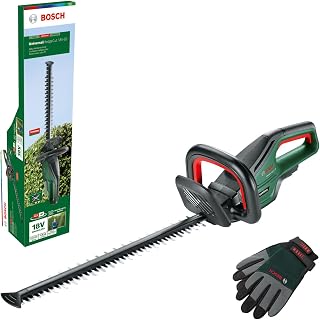

Choosing a hedge cutter is not simply a matter of selecting the most powerful motor or the longest blade. The right machine depends on the size and type of hedge, how frequently you cut it, how far you need to work from a power source, the thickness of the branches, and how comfortable the tool is to use for extended periods. For UK gardens, the main categories are corded electric, cordless battery and petrol hedge cutters. Each has a distinct set of advantages. Corded models can be a sensible choice for gardens with accessible mains power, cordless machines provide greater freedom of movement, while petrol hedge cutters are generally considered when high cutting capacity and extended use are priorities. The best power source depends heavily on the working environment. There is no universally superior option for every garden. Cordless hedge cutters are particularly convenient when freedom of movement is important. There is no mains cable trailing through the garden, making it easier to work around trees, paths, outbuildings and irregularly shaped borders. The main consideration is the battery system. Runtime varies according to battery capacity, cutting conditions, hedge density and the way the machine is operated. A quoted runtime should therefore be treated as a manufacturer's reference rather than a guaranteed amount of cutting time in every garden. If you already own compatible cordless garden tools, staying within the same battery platform can make practical and financial sense. Brands such as Bosch, Makita, DeWalt, STIHL, Husqvarna, Ryobi and Einhell offer cordless outdoor equipment across different product ranges, but compatibility is normally limited to particular battery platforms. Always check the exact model and battery requirements before buying. Corded electric models can be attractive for smaller gardens where a suitable outdoor power supply is readily accessible. They avoid the need to recharge batteries and can provide consistent electrical power throughout a trimming session. The trade-off is the cable. It needs to remain safely positioned away from the cutting area and can restrict movement around larger gardens. An extension lead may also be required, subject to appropriate outdoor-use requirements and the manufacturer's instructions. Petrol hedge cutters have traditionally appealed to users who need substantial cutting capacity, extended operation and freedom from mains cables or battery charging. They can be particularly relevant to demanding workloads and larger areas. However, petrol machines introduce additional considerations, including fuel, engine maintenance, starting procedure, exhaust emissions, noise and vibration. For occasional domestic trimming, these factors may outweigh the benefits of an engine-powered machine. Blade length is one of the most visible specifications, but a longer blade is not automatically better. A long blade can help achieve a more uniform finish across broad, straight sections of hedge because it covers more area per pass. Shorter blades can be easier to manoeuvre around narrow spaces, smaller shrubs and detailed shaping. They may also feel easier to control for users who prioritise precision over speed. When comparing models, consider the hedge itself rather than choosing on blade length alone. A long blade can be useful for a tall, broad hedge, while a compact cutter may be more appropriate for low ornamental hedging. Tooth gap is an important specification because it provides an indication of the growth that the blade is designed to accommodate. A hedge dominated by thin annual growth does not necessarily require the same cutting specification as an established hedge containing woody stems. Do not confuse tooth gap with the manufacturer's maximum cutting capacity. The published cutting specification should be checked for the exact model, particularly if you expect to encounter thicker branches. A sharp, properly maintained blade is essential for effective trimming. Dull or damaged cutting surfaces can make the machine work harder and may produce a poorer finish. After use, remove appropriate debris according to the manufacturer's instructions and inspect the blade for damage. Lubrication requirements vary between models, so consult the relevant manual rather than applying products indiscriminately. Battery voltage is often used as a headline specification, but it should not be interpreted as a direct measurement of operating time. Runtime is influenced by battery capacity, hedge density, branch thickness, temperature, cutting technique and the particular tool. When comparing cordless models, look at the complete system: tool, battery capacity, charger, expected workload and availability of additional batteries. A tool supplied without a battery can have a very different effective purchase cost from a complete kit. Many cordless garden tools are sold in different configurations. A tool-only package may be useful when you already own compatible batteries and a charger. A complete kit may be more appropriate when entering a battery platform for the first time. Always check the exact contents of the package before comparing prices. Two apparently similar listings may contain different combinations of tool, battery, charger and accessories. Battery compatibility can become increasingly important as the number of cordless garden tools in a household grows. A single battery platform may potentially cover equipment such as hedge cutters, grass trimmers, leaf blowers and chainsaws, depending on the manufacturer's range. Established tool brands including Makita, DeWalt, Bosch, Ryobi, Einhell, STIHL and Husqvarna have different cordless ecosystems. Compatibility should never be assumed simply because two products carry the same brand name; check the specified battery family and voltage for the individual model. For small ornamental hedges, compact corded or cordless models can be practical. A lighter tool with a manageable blade may be preferable to a larger machine that adds unnecessary weight. For long runs of established hedging, battery capacity, blade length, balance and cutting speed become more important. If the hedge takes a substantial amount of time to trim, consider whether a single battery is sufficient or whether an additional compatible battery would be useful. Height changes the ergonomics of hedge cutting. Raising a conventional hedge cutter for prolonged periods can become tiring, particularly if the machine is heavy. For tall hedges, a long-reach or pole hedge trimmer may be worth considering where the manufacturer specifies it for the intended application. These tools can reduce the need for ladders, although users must still follow the manufacturer's operating instructions and appropriate safety practices. Dense hedges and mature woody growth place greater demands on the cutting system. Check the manufacturer's stated cutting capacity and tooth spacing carefully. A hedge cutter designed primarily for routine trimming may not be the right tool for repeatedly cutting substantial woody stems. Weight deserves more attention than it often receives in product comparisons. Hedge cutting involves repeated movement, frequent changes of direction and, for taller hedges, holding the tool away from the body. A nominally light machine may not feel light if its weight is concentrated towards the front. Conversely, a slightly heavier cutter can sometimes feel manageable when its components are well balanced. An adjustable or rotating rear handle can make it easier to maintain a comfortable wrist and arm position when switching between cutting the side and top of a hedge. This is particularly useful when shaping long, straight sections. Vibration can affect comfort during extended trimming sessions. Where manufacturers publish vibration figures, compare them alongside weight and operating conditions rather than treating any single number as a complete measure of comfort. Controls should be straightforward to operate while maintaining a secure grip. A well-positioned trigger and clearly designed safety mechanism can make repeated use less awkward. Hedge cutters contain rapidly moving cutting blades and should be treated as serious garden machinery. Read the manufacturer's instructions before use and use the protective equipment specified for the machine and task. A longer blade can be useful, but excessive length may make a cutter less convenient to control. Match blade length to the size and shape of the hedge. A hedge may look relatively easy to trim while containing thicker stems inside. Check the specified cutting capacity if the hedge has mature woody growth. A cordless tool's headline price may refer to a tool-only configuration. Compare like-for-like packages before deciding which model offers better value. A professional-grade specification can be unnecessary for occasional light trimming. More capable machinery can also mean additional weight, cost, noise or maintenance requirements. For cordless machines, consider batteries and chargers. For petrol machines, consider fuel and maintenance. For any hedge cutter, account for blade maintenance and replacement components where applicable. Customer feedback can reveal useful information about usability and ownership, but reviews should be interpreted alongside technical specifications. A machine praised by one buyer may be unsuitable for another person's hedge, workload or garden layout. A useful comparison should assess the complete specification rather than focusing on one headline feature. Brand reputation can be a useful starting point, but it should not replace model-by-model comparison. Different manufacturers have tools aimed at different users and applications. The most suitable brand is ultimately the one whose individual model matches your hedge, workload, preferred power source, battery requirements and budget. Compare the specifications of the exact machines rather than assuming that every product within a brand performs in the same way. Plant residue can accumulate around the blade and housing. Follow the manufacturer's cleaning instructions and allow the machine to be safely isolated from its power source before carrying out maintenance. Some hedge cutters require blade lubrication as part of routine maintenance. The correct lubricant and application procedure should come from the manufacturer's instructions for the specific model. Inspect the cutting teeth regularly for damage, excessive wear or signs of contact with hard objects. Do not continue using a machine if the cutting assembly or protective components appear unsafe. For cordless models, follow the manufacturer's instructions for charging, storage temperature, transport and long-term storage. Batteries should be kept in the conditions specified by their manufacturer rather than treated like ordinary disposable cells. Petrol hedge cutters require additional maintenance compared with electric alternatives. Fuel, air filtration, spark plugs and other engine components may require attention according to the manufacturer's maintenance schedule. A hedge cutter is designed primarily for trimming hedges and similar vegetation. It should not automatically be used as a substitute for every type of garden cutting equipment. Where branches exceed the hedge cutter's stated cutting capacity, a suitable pruning saw, lopper or other appropriate cutting tool may be more suitable. The correct choice depends on the diameter and type of material being cut. Likewise, if the main challenge is reaching a very tall hedge, a purpose-designed long-reach machine may be preferable to repeatedly lifting a conventional hedge cutter above shoulder height. There is no single best hedge cutter for every UK garden. For smaller gardens, a lightweight electric or cordless model may be convenient. Larger or more demanding hedges can justify a machine with greater cutting capacity, longer runtime or a long-reach design. The best choice depends on hedge size, branch thickness, frequency of use and access to power. Neither is universally better. Cordless machines offer greater freedom of movement, while corded models can provide continuous operation without battery charging. The decision largely depends on garden size, access to outdoor electricity and whether cable management is acceptable. Choose a blade length that matches the hedge. Longer blades can be efficient for broad, straight hedges, while shorter blades may provide easier handling and greater control for compact or shaped hedges. Check the manufacturer's specification against the thickness of the growth you intend to cut. Smaller tooth gaps are generally associated with finer trimming applications, while larger gaps may accommodate thicker growth, subject to the individual machine's specified cutting capacity. Not necessarily. Some products are supplied as complete kits while others are sold as tool-only machines. Always check the exact package contents before comparing prices. They can be, provided the selected model and battery capacity are appropriate for the workload. For a large garden, runtime and access to additional compatible batteries may be as important as the cutter's headline power specification. Only within the limits specified by the manufacturer. If the branches are larger than the stated cutting capacity, use an appropriate pruning tool instead of forcing the hedge cutter to perform outside its intended application. Petrol machines can be suitable for demanding workloads, but they are not automatically the best choice. Weight, noise, vibration, fuel handling and maintenance should all be considered alongside cutting performance. There is no universal sharpening interval because wear depends on usage, hedge material and contact with abrasive or hard objects. Inspect the blade regularly and follow the manufacturer's guidance for sharpening or replacement. If you already own compatible cordless equipment, remaining within the same battery platform can be convenient and may reduce the need for additional chargers and batteries. Confirm compatibility with the exact battery system rather than relying on brand name alone. Check the exact model number, blade length, tooth gap, cutting capacity, weight, power source, battery configuration, included accessories and manufacturer warranty information. Also compare current prices and read verified customer reviews from reputable retailers. The strongest hedge cutter comparison is based on suitability rather than a single specification. A lightweight cordless model can be an excellent solution for routine domestic trimming, while a corded machine may make sense where uninterrupted access to mains power is convenient. More demanding users may prefer the capacity and operating characteristics of petrol equipment, while tall hedges can benefit from long-reach designs. Before making a purchase, compare the exact specifications, not just the brand or advertised power. Pay particular attention to blade length, tooth spacing, cutting capacity, weight, balance, battery configuration and maintenance requirements. Then compare current retailer prices and verified customer feedback for the specific model. Taking this approach makes it easier to find a hedge cutter that suits the actual work involved, rather than paying for features that your garden does not require or choosing a machine that is under-specified for the job.How to Choose the Best Hedge Cutter for Your Garden
Key Factors to Compare Before Buying
Cordless vs Corded vs Petrol Hedge Cutters
Cordless Battery Hedge Cutters
Corded Electric Hedge Cutters
Petrol Hedge Cutters
Understanding Hedge Cutter Blade Specifications
Blade Length
Tooth Gap and Cutting Diameter
Blade Quality and Maintenance
Battery Hedge Cutter Buying Guide
Battery Voltage Is Not the Same as Runtime
Tool-Only Versus Complete Kits
Battery Ecosystems
Choosing the Right Hedge Cutter for Different Hedge Types
Small Garden Hedges
Long Garden Hedges
Tall Hedges
Dense or Woody Hedges
Hedge Cutter Weight, Balance and Ergonomics
Rear Handle Design
Vibration
Controls and Accessibility
Hedge Cutter Safety Considerations
Common Hedge Cutter Buying Mistakes
Choosing the Longest Blade
Ignoring the Cutting Capacity
Comparing Battery Tools Without Including the Battery
Buying More Power Than Necessary
Ignoring the Total Ownership Cost
Choosing on Reviews Alone
How to Compare Hedge Cutters Properly
Which Hedge Cutter Brands Are Worth Comparing?
Hedge Cutter Maintenance Guide
Cleaning After Use
Blade Lubrication
Blade Inspection
Battery Storage
Petrol Engine Maintenance
When a Hedge Trimmer Is Not the Right Tool
Best Hedge Cutter Buying Checklist for 2026
Frequently Asked Questions About Hedge Cutters
What is the best hedge cutter for a typical UK garden?
Is a cordless hedge cutter better than a corded model?
What blade length should I choose?
What tooth gap do I need?
Are battery and charger included with cordless hedge cutters?
Are battery hedge cutters suitable for large gardens?
Can a hedge cutter cut thick branches?
Are petrol hedge cutters better for heavy-duty work?
How often should hedge cutter blades be sharpened?
Should I buy a hedge cutter from the same brand as my other garden tools?
What should I check before buying a hedge cutter online?
Final Buying Advice