

Our experts reviewed the latest {category_name } to help you compare quality, performance, durability and overall value before making your purchase.


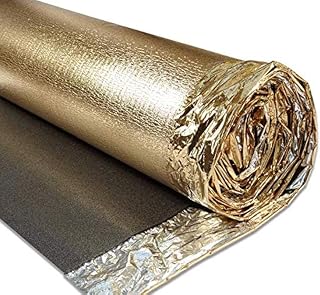

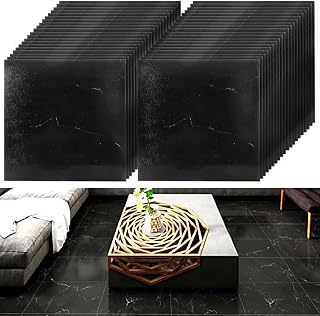


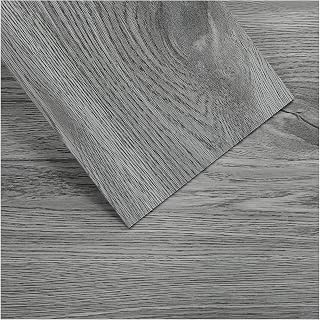


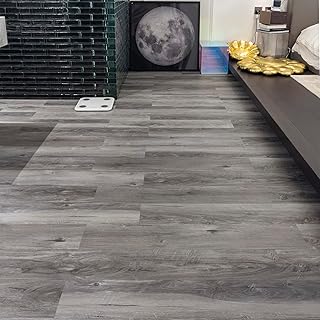


Choosing flooring is rarely just a question of colour or appearance. The right floor needs to suit the room, withstand the level of traffic it will receive, work with the existing subfloor and deliver the practical characteristics you expect over many years. A floor that looks excellent in a showroom may be unsuitable for a busy hallway, damp-prone room, family kitchen or home office. This guide expands the comparison process beyond appearance and headline specifications. It covers the main flooring types used in UK homes, the differences between materials, installation requirements, durability considerations, maintenance, moisture resistance, acoustic performance, underlay, subfloor preparation and the common purchasing mistakes that can make an apparently inexpensive floor considerably more costly to install. When comparing flooring, consider the complete system rather than the visible surface alone. The flooring material, subfloor, underlay or adhesive, trims, installation method and ongoing maintenance can all affect the finished result. There is no single flooring material that is automatically best for every room. A useful comparison starts by matching the characteristics of each flooring type to the demands of the space. Laminate flooring combines a decorative surface with a manufactured core and protective wear layer. Modern laminate can reproduce the appearance of timber, stone and other materials while generally requiring less routine care than a natural wood floor. When comparing laminate products, do not rely solely on the pattern or overall thickness. Examine the construction, wear classification where supplied, moisture-related claims, locking system, plank dimensions, warranty conditions and installation requirements. Wear resistance is particularly relevant in hallways, kitchens and open-plan areas. A product intended for a lightly used bedroom does not necessarily provide the same level of resistance as a laminate designed for heavy domestic traffic. Look for clearly stated usage classifications and technical information rather than assuming that a thicker board automatically means a more durable finished surface. Thickness can contribute to stability and acoustic characteristics, but it should not be treated as a standalone durability rating. The distinction between water resistant and waterproof is important. Water-resistant laminate may offer improved protection against short-term spills when correctly installed, but that does not automatically make it suitable for rooms where standing water or persistent moisture is expected. Check the manufacturer's exact conditions, including permitted rooms, maximum exposure periods, edge protection and installation requirements. Particular attention should be given to joints because the vulnerable part of a floating floor is not necessarily the decorative surface itself. Many laminate floors use a floating installation method, meaning the boards are not normally bonded directly to the subfloor. The subfloor still needs to be sufficiently sound, clean and level, and an appropriate underlay may be required. Expansion gaps around the perimeter and fixed objects are important because laminate is a manufactured wood-based product that can respond to changes in temperature and humidity. Follow the installation instructions supplied for the specific product rather than applying a generic gap measurement to every floor. Luxury vinyl flooring, often abbreviated to LVT, is widely considered when homeowners want the appearance of timber or stone with a floor that is comparatively easy to clean and comfortable underfoot. LVT products vary considerably, so comparing only the printed design can overlook important differences in construction. Look at the wear layer, total thickness, installation system, subfloor requirements, moisture suitability and manufacturer's cleaning guidance. Some vinyl products have a rigid construction designed to provide greater dimensional stability, while other products are more flexible. Rigid-core systems can have different installation and subfloor requirements from conventional flexible vinyl. The apparent simplicity of click-fit flooring should not lead to the assumption that subfloor preparation is unimportant. Unevenness can affect joints, appearance and long-term performance. Adhesive products also have their own requirements concerning moisture, temperature, surface preparation and installation conditions. The wear layer is one of the useful specifications to compare when assessing LVT. A thicker wear layer can provide greater protection for the decorative layer, but the correct interpretation depends on the construction and intended application of the particular product. For busy domestic areas, compare the manufacturer's stated domestic usage category and wear specifications rather than selecting a floor purely because it has a particular visual finish. Engineered wood flooring provides a genuine timber surface while using a layered construction beneath the top wood layer. This construction can make engineered boards less susceptible to some forms of movement than solid timber, although wood remains a natural material that responds to environmental conditions. Important comparison points include the species and grade of the top layer, overall board construction, thickness, board dimensions, finish, installation method and whether the product is suitable for the intended subfloor and room conditions. Solid wood flooring is made from timber throughout, whereas engineered flooring has a real wood top layer over a multi-layer base. Neither should automatically be labelled superior: they solve slightly different requirements. Solid timber can provide substantial material for future refinishing, but environmental changes can cause natural wood to expand and contract. Engineered construction can offer greater dimensional stability, although refinishing potential depends on the thickness of the real wood layer and the manufacturer's specifications. Oak is particularly common in UK flooring because it offers a broad range of colours, grades and surface treatments. Other timber species can have different hardness, colour, grain and movement characteristics. Natural timber also varies from board to board. Knots, colour variation and grain differences are not necessarily defects; they can be part of the character of the selected grade. Anyone seeking a highly uniform appearance should compare samples before purchasing. Solid wood flooring remains an option for homeowners who want a traditional timber floor and the possibility of future refinishing. Its natural character can make it particularly attractive in period properties and interiors where authentic materials are important. However, solid wood requires careful consideration of moisture, humidity and installation conditions. It should not be selected solely because it is perceived as a premium material. The room, subfloor and installation method must be compatible with the product. Carpet comparisons often focus on colour and price, yet fibre type, construction, pile density, underlay and intended use can have a significant influence on performance. Wool is a natural fibre valued for its appearance, tactile quality and traditional use in residential flooring. Wool carpets can vary substantially in construction and specification, so fibre content alone does not tell the entire story. Polypropylene, polyester and nylon-based carpets can provide different combinations of stain resistance, softness, resilience and cost. The most suitable fibre depends on the room and the behaviour expected from the finished floor. Loop, cut pile, twist and other constructions have different visual and practical characteristics. A very soft carpet may be appealing in a bedroom but not necessarily the ideal choice for an area exposed to heavy traffic or frequent furniture movement. Underlay is an important part of a carpet installation. It can influence comfort, insulation, acoustic performance and how the carpet feels underfoot. It can also affect the long-term performance of the carpet and should therefore be compared rather than treated as an afterthought. Tiles can provide a hard-wearing surface with strong moisture resistance when correctly selected and installed. Ceramic and porcelain tiles are manufactured differently and can have different levels of water absorption and technical performance. Porcelain tiles are generally manufactured to a lower water-absorption specification than conventional ceramic tiles. This can make porcelain particularly useful in demanding applications, although suitability still depends on the individual product. Tile selection should consider slip characteristics, dimensions, thickness, surface finish, intended location and installation requirements. A polished tile that looks impressive in a showroom may not be the best choice for every wet or high-traffic environment. Natural stone offers distinctive variation because each piece can differ in colour, veining and texture. Stone floors may require sealing and ongoing care depending on the material and finish. Marble, limestone, slate and other stones have different characteristics. Do not assume that every natural stone product has the same resistance to staining, scratching, moisture or acidic cleaning products. When comparing two apparently similar floors, the most useful information is often hidden in the technical specification rather than the product photograph. Quality is best assessed as a combination of construction, suitability and expected performance rather than simply the retail price. A premium-looking surface is of limited value if the flooring is incompatible with the room or difficult to maintain. Start by asking what the floor needs to withstand. A household with children, pets, frequent visitors and an open-plan kitchen may need a different specification from a quiet guest bedroom. Next, consider how visible wear will be. Glossy or very dark surfaces can make dust, marks or scratches more noticeable, whereas textured or patterned finishes can visually disguise everyday use. Finally, assess the installation system. Two floors with similar prices can have very different total project costs if one requires substantially more preparation, specialist adhesive, additional accessories or professional installation. Even an excellent floor can perform poorly when installed over an unsuitable subfloor. Unevenness, moisture, contamination, movement or inadequate structural support can affect the finished surface. For floating floors, excessive unevenness can contribute to movement or stress at board joints. For bonded resilient flooring, subfloor irregularities can become visible through the finished material. Timber flooring can also respond adversely to unsuitable moisture conditions. Before choosing a product, establish whether the existing floor is concrete, screed, timber, plywood, chipboard or another substrate. Then check the manufacturer's requirements for that substrate. Moisture is particularly important over concrete and screed substrates. The appropriate testing method depends on the flooring system and installation guidance. Never assume that a surface is ready simply because it looks dry. Moisture-related problems can be expensive to correct after flooring has been installed. Where the manufacturer specifies a moisture barrier, primer or other preparation system, it should be treated as part of the installation specification. Underfloor heating can influence flooring selection because heat must pass efficiently through the finished floor while the material remains stable under repeated temperature changes. Timber flooring can often be used with suitable underfloor heating systems when the product and installation method are specifically approved. Some materials have limitations on surface temperature or installation method. Carpet and underlay require particular attention because their combined thermal resistance can affect heating efficiency. Tiles and stone are often considered thermally efficient choices, but the entire floor construction still needs to be assessed. Always verify compatibility using the technical documentation for the exact flooring product, underlay and heating system. A general statement that a flooring category is compatible is not sufficient for a particular installation. Pets change the practical requirements of a floor. Scratches, claws, shedding, muddy paws, spills and frequent cleaning can all influence the best choice. Hard flooring is often easier to sweep and mop than deep-pile carpet, but that does not mean every hard floor is pet-proof. Scratches can be visible on some wood finishes, while smooth surfaces can show hair and paw marks clearly. For pet-heavy households, compare scratch resistance, stain resistance, cleaning requirements, surface texture and replacement options. A flooring design with some natural variation may make everyday marks less noticeable. Busy homes should prioritise durability without overlooking comfort and maintenance. Hallways and entrances receive abrasive dirt from outside, while kitchens and dining areas face food spills and repeated cleaning. Open-plan layouts also deserve special attention because a single floor may need to perform across several zones. Consistent flooring can create visual continuity, but the specification must be suitable for the most demanding area. For families, another useful consideration is repairability. If a single board or tile becomes damaged, investigate whether individual pieces can be replaced and whether spare material can be retained for future repairs. Flooring can affect the visual impression of room size. Larger planks or tiles can reduce the number of visible joints, while continuous flooring through adjoining spaces can create a more unified appearance. However, visual considerations should not override technical suitability. A large-format product may require more careful subfloor preparation because unevenness can become more noticeable. Lighter colours can make a room feel brighter, while natural timber tones and textured surfaces can add warmth. Sample the flooring in the actual room where possible because artificial showroom lighting can make colours appear significantly different. Open-plan kitchens, dining rooms and living spaces create a particular flooring challenge. The selected material needs to cope with the most demanding part of the room while still looking appropriate in areas intended for relaxation. Where one flooring material is used throughout, check its suitability for kitchen conditions as well as the living area. Where different floors meet, consider transition strips, floor heights and the visual relationship between materials. Small differences in finished floor height can create awkward transitions, particularly when replacing an existing floor with a thicker or thinner system. Floating flooring is installed without permanently bonding every board to the substrate. Laminate and certain engineered wood and rigid vinyl products can use this approach. The method can be relatively straightforward, but the subfloor still needs appropriate preparation and the expansion requirements of the particular product must be respected. Adhesive installation can provide a secure finished floor and is common with some LVT and engineered wood systems. Adhesive selection, open time, substrate preparation and environmental conditions can all influence the result. Some timber flooring systems are mechanically fixed to a suitable timber-based or structural subfloor. This method has specific substrate and installation requirements and may not be appropriate for every property. The suitability of DIY installation depends heavily on the flooring type, room shape, subfloor condition and installer's competence. Click flooring can appear straightforward, but accurate cutting, expansion gaps, door frames, transitions and subfloor preparation still require care. Tile installation involves additional considerations such as layout, substrate rigidity, adhesive selection, grout joints and cutting. Timber floors can require careful acclimatisation or environmental control according to the manufacturer's instructions. Professional installation may be particularly sensible where the subfloor requires significant preparation, the room contains complex details, underfloor heating is involved or the flooring carries strict installation conditions. A floor should look right, but appearance does not establish whether it is suitable for the room. Always compare the technical specification alongside photographs and samples. Buying the flooring before understanding the condition of the substrate can lead to unexpected preparation costs and installation delays. A thicker product is not automatically better. Construction, wear layer, core material, surface finish and intended use all matter. Underlay, adhesives, trims, thresholds, moisture barriers, primers and other installation materials can materially affect the total project cost. Flooring normally requires additional material to account for cutting, installation patterns and unusable pieces. The appropriate allowance varies according to the product, room shape and installation layout. Natural materials and some decorative flooring products can vary between batches. For large projects, confirm that sufficient material can be obtained from a compatible production batch where consistency matters. A new floor can change the finished floor height. Check door clearances, skirting, thresholds and transitions before committing to a particular construction thickness. Start with the floor area by multiplying room length by width for a straightforward rectangular room. Irregular spaces should be divided into manageable sections and calculated separately. An additional allowance is normally needed for cutting and wastage. The correct percentage depends on the flooring format, installation pattern and complexity of the room. Herringbone, chevron, diagonal layouts and rooms with numerous alcoves can require more allowance than a simple straight plank installation. For expensive or discontinued flooring, retaining suitable spare material can be useful for future repairs. The amount to retain should be balanced against storage space and the likelihood of future availability. Patterned installations can create a distinctive appearance but generally require more planning and cutting than a conventional straight-plank layout. Herringbone and chevron should not be treated as interchangeable terms. Their board geometry and installation pattern differ, so the flooring must be specifically designed for the intended pattern. Pattern direction can also influence how a room appears. Establish the central line and layout before installation rather than allowing the pattern to develop from an arbitrary wall. Simple preventative measures can reduce wear regardless of flooring type. Use suitable entrance mats, felt pads beneath furniture and appropriate protective measures when moving heavy items. Do not drag furniture across a newly installed floor. Castors and chair wheels should be suitable for the flooring surface, particularly in home offices. Moisture should be dealt with promptly, especially around kitchens, entrances and other areas where water can accumulate. Acoustic performance is often overlooked until after installation. Hard surfaces can sound different from carpet, particularly in rooms with high ceilings, sparse furnishings or large reflective surfaces. Underlay can influence impact sound and the perceived feel of a floating floor. In flats and apartments, however, acoustic requirements may also be governed by the building's construction and applicable requirements, so the flooring system should be considered as a whole. Do not assume that a product described as acoustically improved will automatically satisfy every building or neighbour-noise requirement. Check the specific test information and installation configuration. Flooring contributes to the overall comfort of a room, but its insulation performance depends on the complete floor construction. Underlay, subfloor, suspended-floor construction and heating systems can all influence thermal behaviour. Carpet generally provides a different underfoot feel from hard flooring, while timber, laminate, vinyl and tile each have different thermal characteristics. In a cold room, consider the floor construction and heating arrangement rather than relying on the surface material alone. Sustainability claims should be assessed carefully because environmental impact depends on material sourcing, manufacturing, transport, product lifespan, maintenance and end-of-life options. For timber products, look for clear information about the timber source and relevant chain-of-custody or forestry credentials where these are important to your purchasing decision. For synthetic flooring, investigate the manufacturer's information on material composition, expected lifespan and disposal or recycling routes. Durability is also an environmental consideration. A floor that remains serviceable for a long period may reduce the frequency with which the material needs to be replaced. A warranty can be useful, but the headline duration does not tell the whole story. Read what the warranty covers, who it applies to, the environments permitted, maintenance requirements and installation conditions. Some warranties can depend on installation by an approved or appropriately qualified installer, while others may exclude damage resulting from moisture, incorrect cleaning, unsuitable subfloors or commercial use. A warranty should therefore be treated as one comparison factor rather than proof that a particular flooring product is inherently better than every alternative. Established flooring brands can be useful starting points because they often provide detailed technical documentation and defined installation systems. Examples that UK shoppers may encounter include Quick-Step, Karndean, Amtico, Pergo, Tarkett, Polyflor, Moduleo, BerryAlloc, Kahrs, Ted Todd, Woodpecker and Carpetright. Brand recognition alone should not determine the purchase. Compare the specific product ranges, because specifications can differ considerably within the same manufacturer's catalogue. For each shortlisted product, check the technical data, installation instructions, cleaning guidance, warranty terms and suitability for the intended room. Independent customer feedback can provide useful insight into practical ownership, but it should be considered alongside manufacturer documentation rather than treated as a substitute for it. The advertised flooring price is only one component of the overall project. A realistic comparison can include the following: A cheaper floor can therefore become more expensive overall if it requires extensive preparation or specialist installation. Conversely, a higher-priced material may be economical over its service life if it is durable, repairable and well suited to the room. Customer reviews are most useful when they contain specific information about installation, appearance, durability, cleaning and long-term use. A review that simply says a floor looks good provides less buying insight than one describing how the product performed in a busy hallway or kitchen. Look for recurring themes rather than relying on isolated comments. Pay attention to reviews that mention the exact product or range, because different versions within one brand can have different specifications. Also distinguish installation problems from product problems. Poor subfloor preparation, unsuitable underlay or incorrect fitting can cause symptoms that are not necessarily representative of the flooring itself. Before making a final decision, compare each shortlisted product against the same criteria. This avoids choosing one floor on appearance and another on technical performance without making a like-for-like assessment. Hard, sealed surfaces such as suitable LVT, vinyl, laminate and tile can be attractive options where quick everyday cleaning is important. The exact cleaning method should always follow the flooring manufacturer's instructions. Solid wood and engineered wood provide genuine timber surfaces, while high-quality laminate and LVT can reproduce timber aesthetics without using a solid wood construction. Carpet provides a particularly soft and warm surface, while some vinyl and timber systems can offer a more forgiving feel than ceramic or porcelain tile. The best choice depends on the type of traffic and room conditions. Commercially rated or heavy-domestic products can be considered where the manufacturer specifically permits them for the intended application. Choose a product specifically designed for the moisture conditions of the room. Tile and suitable waterproof resilient flooring can be appropriate, while flooring merely described as water resistant should not automatically be treated as suitable for standing water. Older properties can present uneven substrates, suspended timber floors, unusual room dimensions and existing architectural details that influence flooring selection. Natural timber can complement period interiors, while patterned tiles can work well in certain traditional spaces. However, modern flooring can also be appropriate where the objective is to improve maintenance or introduce underfloor heating. Before installation, investigate the condition and construction of the existing floor. Covering an underlying problem can create greater difficulties later. New-build properties can have relatively modern subfloor systems, but the flooring still needs to be compatible with the substrate, moisture conditions and underfloor heating arrangements commonly found in contemporary homes. Check whether the property uses screed, concrete, timber-based boards or another system, and establish the required moisture testing and preparation procedure before selecting the flooring. Small samples are more useful when assessed systematically. Place them near skirting, furniture and existing finishes, then view them in both natural and artificial light. Look at the sample from standing height as well as close up. Consider how visible joints, grain repetition, texture and surface sheen will be once the floor covers a large area. For timber-effect products, compare several boards rather than judging the design from one plank. Repetition can become more apparent when a decorative pattern is installed across an entire room. Good value does not necessarily mean the lowest purchase price. A floor can offer better overall value when its specification matches the environment, its installation is straightforward for the chosen system, its maintenance is manageable and its expected lifespan is appropriate for the investment. Consider the cost over the period you expect to remain in the property. A short-term flooring choice may justify a different specification from a floor selected for a long-term renovation. Repairability also matters. A floor that allows localised replacement can be advantageous when accidental damage occurs, particularly where a full-room replacement would otherwise be necessary. The most reliable way to compare flooring is to work backwards from the room rather than forwards from the product catalogue. Identify the environmental conditions, traffic level, subfloor, heating system, maintenance expectations and desired appearance first. Then shortlist materials that satisfy those requirements. Once the material has been selected, compare individual products using their technical specifications. Check the installation method, moisture limitations, wear characteristics, dimensions, underlay requirements, warranty conditions and care instructions. Finally, calculate the complete installed cost and confirm that the floor will work with doors, thresholds, skirting, stairs and adjoining rooms. Reading verified customer reviews and comparing specifications from established brands can help with commercial investigation, but the manufacturer's current technical documentation should remain the reference point for product-specific requirements. For 2026 purchases, specifications, ranges and retailer pricing can change, so check the latest product information and today's prices before committing to an order. The best flooring is ultimately the one whose construction, performance, appearance, installation requirements and ongoing care fit the property and the way the room will actually be used. There is no universal best flooring option. Laminate, LVT, engineered wood, solid wood, carpet and tile can each be the right choice in different circumstances. The best option depends on the room, traffic, moisture exposure, subfloor, budget, maintenance requirements and preferred appearance. Neither is automatically better. LVT can be attractive where moisture tolerance, easy cleaning and resilient performance are priorities, while laminate can provide convincing timber and stone aesthetics with a broad choice of designs. Compare the exact construction, wear specification, moisture rating and installation requirements. Engineered wood has a genuine timber surface, whereas laminate uses a decorative manufactured surface. Engineered wood can therefore appeal to buyers who want real wood and potential refinishing, subject to the product's top-layer thickness and instructions. Laminate can offer a practical alternative where ease of maintenance and design choice are priorities. Many sealed hard floors are relatively straightforward to maintain, including suitable LVT, vinyl, laminate and tile. The exact cleaning requirements vary, so the manufacturer's care instructions should always be followed. Look for a floor with suitable scratch, stain and wear characteristics and one that can be cleaned without excessive moisture. LVT, suitable laminate, tile and some engineered floors can all be considered, depending on the household and product specification. Prioritise wear resistance, resistance to dirt and ease of cleaning. Suitable LVT, laminate, tile and engineered flooring can all be considered. The correct choice depends on moisture exposure, subfloor construction and the specific product's domestic usage classification. Some laminate products are designed with improved moisture resistance and may be approved for kitchen use. Others may not be suitable. Check the exact manufacturer's room suitability and installation requirements rather than assuming that all laminate has the same moisture performance. Some engineered wood products are compatible with underfloor heating, but compatibility depends on the exact flooring construction and heating system. Check the manufacturer's instructions for surface-temperature limits, installation method and environmental conditions. Not necessarily. Thickness is only one specification. Construction, wear layer, core, surface finish, stability, moisture resistance and intended use can be equally or more important depending on the flooring category. Yes, an allowance for cutting and installation waste is normally sensible. The appropriate amount depends on the room shape, flooring format and installation pattern. More complex layouts generally require more allowance. Underlay can influence comfort, acoustics, insulation and the performance of some floating floors. It must be compatible with the flooring and heating system. Using an unsuitable underlay can undermine the performance of an otherwise suitable floor. The warranty is useful evidence to consider, but it should not be the sole deciding factor. Read the terms, exclusions and installation conditions and compare the underlying construction and suitability of the product. Check the exact product specification, dimensions, room suitability, moisture rating, wear classification, installation method, accessories, maintenance requirements and warranty. Also confirm the quantity required and allow for cutting waste before comparing the final cost. Look for reviews that identify the exact product and discuss installation, durability, cleaning, appearance and long-term use. Repeated comments are generally more informative than isolated opinions, and customer feedback should be considered alongside the manufacturer's technical documentation.Flooring Buying Guide UK 2026: How to Compare the Best Options
Best Flooring Options for Different Rooms
Laminate Flooring: What to Compare
Laminate Wear Resistance
Water-Resistant Laminate Versus Waterproof Flooring
Laminate Installation Considerations
Luxury Vinyl Flooring and LVT
Rigid Core and Flexible LVT
LVT Wear Layers
Engineered Wood Flooring
Engineered Wood Versus Solid Wood
Wood Species and Appearance
Solid Wood Flooring
Carpet: What Matters Beyond Colour
Wool Carpet
Synthetic Carpet
Carpet Pile and Construction
The Importance of Underlay
Floor Tiles: Ceramic, Porcelain and Natural Stone
Ceramic Versus Porcelain Tiles
Natural Stone Flooring
Flooring Comparison: The Specifications That Actually Matter
How to Compare Flooring Quality
Subfloor Preparation: The Often-Ignored Part of Flooring
Moisture Testing
Underfloor Heating and Flooring Compatibility
Flooring for Homes with Pets
Flooring for Families and High-Traffic Homes
Flooring for Small Rooms
Open-Plan Flooring: Matching Different Areas
Flooring Installation Methods Compared
Floating Installation
Glue-Down Installation
Nail or Staple Installation
Professional Installation Versus DIY
Common Flooring Buying Mistakes
Choosing on Appearance Alone
Ignoring the Subfloor
Confusing Thickness with Quality
Underestimating Accessories
Not Ordering Enough Material
Buying Without Checking Batch or Colour Variation
Ignoring Door and Threshold Heights
How Much Flooring Should You Buy?
Herringbone and Chevron Flooring
Flooring Maintenance by Material
How to Protect a New Floor
Flooring and Acoustic Performance
Flooring and Insulation
Flooring Sustainability Considerations
Understanding Flooring Warranties
How to Compare Flooring Brands
Flooring Price: Compare Total Cost, Not Just Cost Per Square Metre
How to Read Flooring Customer Reviews
Questions to Ask Before Buying Flooring
Flooring Comparison Checklist
Best Flooring for Different Priorities
Best for Easy Cleaning
Best for Natural Appearance
Best for Underfoot Comfort
Best for High Traffic
Best for Wet Areas
How to Choose Flooring for a Period Property
How to Choose Flooring for a New-Build Home
How Flooring Samples Should Be Compared
What Makes a Flooring Product Good Value?
Final Flooring Buying Advice for UK Shoppers
Frequently Asked Questions About Flooring
What is the best flooring for a UK home?
Is laminate better than LVT?
Is engineered wood better than laminate?
What flooring is easiest to maintain?
What flooring is best for pets?
What flooring is best for a busy hallway?
Can laminate flooring be used in a kitchen?
Can engineered wood be used with underfloor heating?
Does thicker flooring mean better flooring?
Should I buy extra flooring?
How important is underlay?
Should I choose flooring based on the warranty?
What should I check before buying flooring online?
How do I know whether a flooring review is useful?