

Our experts reviewed the latest {category_name } to help you compare quality, performance, durability and overall value before making your purchase.


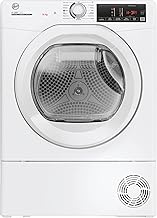


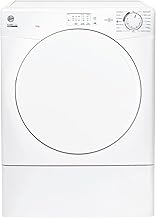


Choosing the right tumble dryer is about more than finding the cheapest machine with the largest drum. The best option depends on how frequently you dry laundry, where the appliance will be installed, how much electricity it is likely to use over its lifetime, the fabrics you regularly wash and whether you prioritise speed, efficiency, convenience or a combination of all four. For most UK households, the first decision should be the drying technology. Heat pump, condenser and vented tumble dryers operate differently and have very different implications for energy consumption, installation and long-term ownership. Current independent testing indicates that heat pump dryers are substantially more energy efficient than conventional condenser and vented models, although they generally cost more initially and can take longer to complete a cycle. A good comparison should therefore consider the total ownership proposition rather than simply the purchase price. A lower-priced appliance can become less economical if it uses considerably more electricity every week, while an expensive machine may offer poor value if its additional programmes and smart features are unlikely to be used. Heat pump technology is generally the strongest choice for households that use a tumble dryer regularly and want to minimise electricity consumption. Instead of continually heating fresh air, a heat pump system recycles warm air through the drying process. Moisture is removed from the air and collected as condensed water, while the air is reheated and circulated again. This recycling process allows heat pump dryers to operate at lower temperatures and use considerably less electricity than traditional vented and condenser machines. The trade-off is that drying cycles can take longer, particularly when the load is large or laundry enters the drum with a high residual moisture level. Condenser dryers collect moisture from the drying air rather than exhausting damp air through a hose to the outside. This makes them easier to position than vented models because they do not require an external wall vent or a hose routed through a window. The important distinction is that a conventional condenser dryer does not recycle heat in the same way as a heat pump dryer. Consequently, electricity consumption can be substantially higher. Independent 2026 testing has found average annual energy costs for tested condenser dryers to be considerably above those of tested heat pump machines under the test conditions used. Vented tumble dryers use a hose to expel warm, moist air from the appliance. They can have a lower initial purchase price, but installation is more restrictive because the exhaust needs a suitable route outside the property. For a home without an appropriate external vent location, a vented dryer can be inconvenient or impractical. The lower upfront price also needs to be considered alongside electricity consumption over the expected ownership period. Independent 2026 comparisons continue to show substantially higher typical running costs for vented dryers than for heat pump alternatives. There is no universal answer because value depends on usage. A household that dries one small load occasionally may not recover the higher purchase cost of an expensive heat pump dryer as quickly as a family running several cycles each week. Conversely, frequent users can benefit more from prioritising energy efficiency because electricity consumption accumulates over hundreds of cycles. A useful comparison is to separate the decision into three costs: purchase price, expected energy consumption and maintenance or installation requirements. This avoids the common mistake of treating the ticket price as the complete cost of ownership. Independent 2026 analysis illustrates why this distinction matters. Under a defined usage pattern, recently tested heat pump dryers had substantially lower annual energy costs than comparable vented and condenser machines, although their initial purchase prices could be higher. Actual costs will vary with electricity tariffs, appliance efficiency, load size, programme selection and frequency of use. Drum capacity should reflect the size of your typical laundry loads rather than simply the largest figure available. A larger drum can be useful for bulky bedding and family laundry, but paying for capacity that is rarely used does not automatically provide better value. For a single person or couple, a smaller-capacity machine may be sufficient if laundry is washed frequently. Families may benefit from a larger drum, particularly when drying towels, bedding, school clothing and several days of washing together. Remember that the rated capacity describes the maximum dry laundry load specified for the appliance. It does not mean every programme is designed to operate at that maximum capacity. Delicate, wool, quick-dry and specialist programmes may have lower recommended loads. Sensor drying is more important than many decorative or connected features because it directly affects how the machine decides when a load is sufficiently dry. Moisture sensors can detect changes in the load and allow the programme to stop or adjust rather than simply running for a fixed period. This can help reduce unnecessary drying, particularly when the load becomes dry before a long timed programme has finished. Manufacturers including LG, Samsung and other major appliance brands offer sensor-based drying systems across selected models, although the precise technology and available programmes differ by model. When comparing two dryers, do not assume that the presence of a phrase such as “sensor dry” means the machines have identical performance. Look at which programmes use the sensors, whether dryness levels can be selected, and whether the machine provides separate settings such as iron dry, cupboard dry or extra dry. A long programme list does not necessarily indicate a better dryer. The useful question is whether the available programmes match the clothes you actually wash. A dependable everyday programme is fundamental because much of the laundry will consist of towels, underwear, bedding and cotton clothing. Check whether the machine provides adjustable dryness levels rather than assuming that one standard cycle will suit every load. Synthetics can respond differently to heat and drying time compared with heavier cotton items. A dedicated programme can therefore be more useful than repeatedly modifying a generic cycle. Delicate programmes are useful for garments that require gentler handling. However, always follow the garment care label. A sophisticated dryer cannot make an item suitable for tumble drying if the manufacturer of the garment specifies that it should not be tumble dried. If you regularly wash woollens, check the exact programme description and any stated load limitations. Specialist programmes should be assessed according to the garments you own rather than treated as a reason to pay more for the appliance. A rapid programme can be valuable when a small quantity of clothing is needed quickly. Check its maximum load because a fast cycle designed for a small load should not be compared directly with the full-capacity cotton programme. Anti-crease functions can periodically rotate laundry after the main drying stage, helping reduce the amount of time clothes remain stationary in a warm drum. Refresh functions can also be useful for lightly worn garments, although they should not be confused with a washing cycle. The drum is where mechanical movement, airflow and temperature come together, so construction and control of the drying process matter. A well-designed dryer should move laundry sufficiently to expose different parts of the load to warm air without subjecting fabrics to unnecessarily harsh conditions. Look for adjustable drying levels, temperature controls and programmes that correspond to the fabrics you commonly wash. Features such as reverse tumbling can also help reduce tangling in some machines. LG, for example, describes bidirectional tumbling and sensor-based drying on selected UK models, while Samsung offers multi-sensing technologies on selected dryers. One of the easiest buying mistakes is measuring the appliance but forgetting the space around it. A tumble dryer needs sufficient clearance for installation, ventilation and practical access to the door, filters and water container where applicable. A model that fits on paper may still be awkward to use if the door cannot open fully, the water tank is difficult to access or the lint filter is obstructed by surrounding cabinetry. Stacking can save valuable floor space, particularly in compact utility rooms. However, compatibility should never be assumed simply because two appliances have similar dimensions. Check the manufacturer's instructions and use an appropriate stacking solution designed for the specific appliance combination. The washing machine and dryer should be compatible in size and construction, and the installation must provide adequate stability. Do not improvise with shelving, loose boards or unsuitable brackets. A dryer positioned above a washing machine needs a secure installation that takes account of vibration, appliance dimensions and manufacturer requirements. Condenser and heat pump dryers typically collect extracted moisture in a water container, although many models can also be connected to a suitable drainage arrangement. A tank is convenient when no nearby drain is available, but it introduces an additional maintenance task. Before buying, check the location and accessibility of the water container. A technically excellent machine can become frustrating if the tank is positioned awkwardly or needs frequent emptying. If direct drainage is important, verify that the specific model supports it and check the manufacturer's installation instructions. Do not assume that every condenser-style dryer has identical plumbing arrangements. Noise becomes more important when the dryer is installed near a bedroom, living room or open-plan kitchen. A machine that is perfectly acceptable in a dedicated utility room may be more noticeable in a living area. Compare the manufacturer's stated noise specification where available, but remember that the quoted figure does not describe every sound produced during operation. Compressor operation, drum movement, pump activity and installation conditions can all affect perceived noise. For homes where the dryer will operate during evenings or early mornings, noise should be treated as a primary comparison criterion rather than an afterthought. Energy efficiency should be assessed using the detailed product specification rather than a marketing badge alone. Different models can vary in actual electricity consumption even when they use the same broad drying technology. For a meaningful comparison, look for the energy consumption figure provided for the appliance and consider it alongside your expected number of cycles. A household running three loads every week has a very different ownership profile from someone using the dryer a few times each month. Independent testing can also reveal differences that headline specifications cannot. Drying performance, sensor accuracy, programme duration and condensation efficiency all influence how useful an appliance is in practice. Which? currently evaluates tumble dryers across areas including drying performance, energy efficiency and ease of use. You do not need to rely on a generic “average tumble dryer cost” to compare two machines. A more useful calculation starts with the appliance's stated energy consumption and your own usage pattern. This approach is more useful than comparing two advertised annual costs based on different assumptions. Electricity tariffs also change, so any running-cost figure should be treated as an estimate rather than a guarantee. Connected features can be useful, but they should not be the deciding factor for most buyers. A Wi-Fi-enabled dryer may offer remote monitoring, notifications, programme management, troubleshooting information or integration with a wider smart-home ecosystem. Samsung, for example, offers selected dryers with AI Control and SmartThings connectivity, while LG offers selected models with ThinQ functionality. The precise functions depend on the individual appliance and connected ecosystem. Smart functionality is most useful when it solves a genuine problem. If you frequently forget that a load has finished, notifications may be worthwhile. If you always operate the same programme manually, paying substantially more for extensive app functionality may provide little practical benefit. Brand reputation can be a useful starting point, but it should never replace model-level comparison. Manufacturers such as Bosch, Miele, AEG, LG, Samsung, Beko, Hotpoint, Indesit, Hoover and Candy cover different parts of the UK tumble dryer market, with significant variation between individual machines. A premium brand does not automatically make every model a better purchase, just as a lower-priced brand does not automatically mean inferior performance. Compare the specific appliance's energy consumption, drying programmes, capacity, dimensions, noise specification, warranty terms, maintenance requirements and independent test results where available. For commercial research, it is particularly useful to compare several models from different manufacturers at the same approximate capacity and technology level. This creates a fairer comparison than placing a basic vented appliance against a premium connected heat pump machine. The cheapest machine is not necessarily the cheapest machine to own. Electricity consumption, expected lifespan, maintenance and installation requirements all contribute to total cost. Capacity should match your normal laundry volume. A larger machine can be useful for families, but unnecessary capacity can add cost and physical bulk without improving everyday convenience. Energy efficiency and speed can pull in different directions. Heat pump dryers can be highly efficient but may use longer programmes. If you frequently need laundry dried within a narrow time window, cycle duration deserves serious consideration. Lint filters and condensers need attention. Restricted airflow and accumulated debris can affect drying performance and efficiency. Before buying, find out what routine cleaning the manufacturer recommends and whether the relevant components are easy to access. Connectivity is an optional convenience, not a substitute for effective drying. A simpler machine with strong energy efficiency, reliable sensors and suitable programmes can be a better purchase than a more expensive model overloaded with features you will not use. Always confirm dimensions, ventilation requirements, drainage options, electrical requirements and stacking compatibility before purchasing. Running-cost figures are meaningful only when their assumptions are comparable. Check the electricity tariff, load frequency, programme and testing methodology behind any claimed annual figure. Routine maintenance is essential for safe and efficient operation. Always follow the manufacturer's instructions because cleaning procedures vary between appliances. The dryer cannot compensate fully for laundry that enters the drum excessively wet, badly tangled or overloaded. Good results begin with the washing machine. Premium tumble dryers can offer impressive specifications, but more features do not necessarily mean better value. The strongest buying decision is normally the model that delivers the features you genuinely need without making you pay heavily for those you do not. Bosch is a familiar choice for buyers comparing mainstream and premium laundry appliances. When considering a Bosch dryer, compare the individual model's drying technology, sensor system, energy consumption, programme selection and installation specifications rather than choosing purely on the brand name. Miele occupies a premium position in the domestic appliance market. Buyers considering Miele should pay particular attention to the features included at the specific price level, maintenance requirements, capacity and the long-term ownership proposition rather than assuming the premium brand automatically represents the best value for every household. AEG offers tumble dryers with an emphasis on fabric care and drying control across selected models. Compare individual machines for their sensing technology, programmes, energy performance, capacity and dimensions. LG's UK tumble dryer range includes heat pump machines with sensor-based drying and, on selected models, connected functionality. Some models also incorporate inverter-based heat pump systems and additional drying controls. Samsung offers heat pump dryers with features such as sensor-based drying and, on selected models, AI Control and SmartThings connectivity. Buyers should distinguish between features available across the range and those limited to particular models. These brands are commonly encountered when comparing more accessible and mainstream UK laundry appliances. The most useful approach is to compare their individual models against similarly priced alternatives on capacity, technology, energy consumption, programmes, dimensions, maintenance and independent evidence rather than treating brand reputation as the sole deciding factor. For a flat or compact home, physical dimensions and installation flexibility can matter as much as drying performance. A condenser or heat pump dryer can be easier to position than a vented model because an external exhaust route is not normally required. Measure the available space carefully, including the door opening area. If the appliance will be installed in a kitchen or other living area, consider noise as well as ventilation and access to the water container. Families should generally prioritise a capacity that can accommodate normal laundry volumes, strong sensor drying, practical programmes and good energy efficiency. Frequent use makes running costs increasingly important, so a heat pump model deserves serious consideration even when its purchase price is higher. Large families should also look at how easily filters and water containers can be accessed because maintenance becomes more significant when the dryer operates frequently. Bulky items benefit from a drum that provides sufficient space for the load to move freely. A nominally large capacity does not guarantee good results if the drum is overloaded with towels or bedding. Look for programmes designed for cottons and larger items, appropriate sensor controls and a drum size that matches your washing machine and normal laundry routine. For wardrobes containing wool, synthetics, sportswear or delicate garments, temperature control and specialist programmes are particularly important. Heat pump technology may be attractive because it generally dries at lower temperatures than traditional vented and condenser systems. Nevertheless, always follow individual garment care labels. A delicate programme does not override the manufacturer's instructions for the garment. For buyers primarily concerned with electricity consumption, heat pump technology should be the starting point. Current independent comparisons consistently identify heat pump dryers as considerably more energy efficient than conventional vented and condenser machines. The final choice should then be based on the specific model's energy consumption, capacity and programme performance. Two heat pump dryers are not necessarily identical in efficiency, convenience or drying results. A restricted budget does not mean you should ignore running costs. Instead, compare the purchase price and estimated electricity consumption together. If a conventional dryer costs substantially less initially but consumes considerably more electricity, calculate the likely difference over several years. If the more efficient machine is only slightly more expensive, the calculation may favour the heat pump option. If the upfront difference is large and usage is minimal, the result may be different. Product specifications can appear complicated because manufacturers use different terminology for similar functions. Focus on measurable information first. Customer reviews can provide useful information about usability and ownership, but they should be treated as one part of the research process rather than definitive evidence of performance. Look for repeated observations across many reviews rather than relying on a single unusually positive or negative comment. Pay attention to whether complaints relate to the specific model, delivery, installation or a general misunderstanding of how the appliance works. Reviews are particularly useful for identifying practical issues such as awkward filter access, difficult-to-read controls, door clearance or unexpectedly long cycles. For technical performance, independent testing and the manufacturer's specification are more appropriate sources. Warranty terms should be checked for the exact model and purchase route because coverage can vary. Look at the duration, what components are covered, whether labour is included, and whether any exclusions apply. Also consider the retailer's return arrangements and delivery terms before purchasing. Independent consumer guidance recommends buying from reputable sellers and checking returns policies and customer feedback rather than focusing exclusively on headline price. A dryer does not necessarily need replacing simply because a newer model exists. However, replacement becomes more compelling when an older appliance has deteriorating performance, rising electricity consumption, repeated faults, safety concerns or repair costs that no longer make economic sense. If an older vented or conventional condenser machine is used frequently, comparing its electricity consumption with modern heat pump alternatives can be particularly informative. The potential difference in running costs may be more important than the headline purchase price of the replacement. A good long-term tumble dryer should match the household's actual laundry requirements without unnecessary complexity. Energy efficiency, appropriate capacity, effective drying control, sensible programmes and straightforward maintenance generally matter more than cosmetic features. For frequent users, energy consumption deserves especially close attention. For compact homes, installation flexibility and dimensions may take priority. For families, capacity and programme versatility are often more important. For delicate wardrobes, temperature management and specialist cycles should move higher up the comparison list. For many households that use a dryer regularly, a heat pump tumble dryer is the strongest all-round option because it combines flexible installation with substantially lower energy consumption than traditional vented and condenser technology. The main compromises are usually a higher purchase price and potentially longer drying cycles. They can be, particularly for households that run several drying cycles each week. The answer depends on the difference in purchase price, your electricity tariff, expected usage and how long you intend to keep the appliance. Calculate the estimated lifetime energy cost rather than assuming the most expensive model is automatically the best value. They can. Heat pump dryers generally operate at lower temperatures, which contributes to their energy efficiency and can be gentler on fabrics, but drying may take longer than with conventional high-temperature systems. No. Heat pump dryers recycle air internally and collect the extracted moisture as condensed water, so an external exhaust vent is not normally required. Water can usually be collected in a tank or, where supported, routed to a suitable drain. Generally, no. Conventional condenser dryers typically consume substantially more electricity because they do not recycle heat in the same way as a heat pump system. They can be appropriate where the initial purchase price is the overriding consideration and a suitable external vent is already available. However, their higher energy consumption and installation requirements make them less attractive for many frequent users. Choose a capacity that reflects your normal laundry volume, including towels and bedding. Families generally benefit from a larger drum than single-person households, but the correct capacity depends on washing habits and available installation space. Sensor drying can be more convenient because it can respond to moisture levels rather than relying solely on a fixed time. It can help prevent unnecessary continued drying, although performance varies between models and programmes. Tumble drying can affect fabrics if inappropriate temperatures, programmes or drying times are used. Always follow care labels and choose lower-temperature or specialist programmes where appropriate. Heat pump dryers operate at lower temperatures than conventional vented and condenser models, which can make them attractive for fabric-conscious buyers. Only if the connected features provide a benefit you will actually use. Remote notifications, programme management and connected troubleshooting can be convenient, but they should come after fundamental criteria such as drying technology, energy consumption, capacity and drying performance. Follow the manufacturer's instructions and clean the lint filter as recommended. Frequent cleaning is important because accumulated fluff can restrict airflow and affect the appliance's performance. If your appliance uses a water container, empty it according to the manufacturer's instructions and whenever it is full. Some dryers can be connected to a suitable drain, which can remove the need for routine manual emptying. Some combinations can be stacked using an approved stacking solution, but compatibility must be confirmed for the exact appliances. Never assume that similar dimensions alone make two machines safe to stack. Neither is universally more important. Capacity determines whether the appliance suits your laundry volume, while energy efficiency affects long-term operating costs. Frequent users should generally give energy consumption considerable weight, while occasional users may place greater emphasis on purchase price and suitable capacity. Compare equivalent models using the same criteria: technology, capacity, energy consumption, programme duration, sensor drying, noise, dimensions, drainage, maintenance, warranty and independent test results. Avoid comparing a premium heat pump model with a basic vented machine simply because both are advertised as tumble dryers. The best tumble dryer is not necessarily the model with the longest feature list, highest capacity or highest price. It is the appliance that matches your laundry volume, installation space, budget and expected frequency of use while delivering the drying performance and energy efficiency you actually need. For many UK households in 2026, heat pump technology deserves particular attention because of its substantially lower energy consumption compared with conventional condenser and vented dryers. Nevertheless, a responsible buying decision should compare the exact models rather than relying on technology type or brand name alone. Before purchasing, compare current specifications, independent test evidence, verified customer feedback, warranty conditions, retailer policies and today's total cost. Prices, stock and model ranges can change, so the final purchase decision should always be based on information for the exact appliance available at the time of buying.How to Choose the Best Tumble Dryer for Your Home
Heat Pump vs Condenser vs Vented Tumble Dryers
Heat Pump Tumble Dryers
Condenser Tumble Dryers
Vented Tumble Dryers
Which Tumble Dryer Type Offers the Best Value?
When a Heat Pump Dryer Makes the Most Sense
When a Condenser or Vented Dryer May Still Make Sense
Capacity: How Many Kilograms Do You Really Need?
Capacity Buying Guide
Sensor Drying: One of the Most Useful Features to Look For
Drying Programmes Worth Paying Attention To
Cotton and Everyday Programmes
Synthetic and Mixed-Fabric Programmes
Delicates
Wool and Specialist Programmes
Quick-Dry Programmes
Anti-Crease and Refresh Functions
Dryer Drum Design and Fabric Care
Installation and Space: Measure Before You Buy
Stacking a Tumble Dryer Above a Washing Machine
Water Drainage: Tank or Direct Drain?
Noise Levels and Open-Plan Homes
Energy Efficiency: Look Beyond the Letter or Badge
How to Estimate Long-Term Running Costs
Smart Tumble Dryers: Are Wi-Fi and Apps Worth Paying For?
Questions to Ask Before Paying More for Smart Features
Premium Brands vs Budget Brands
What to Compare Between Two Tumble Dryers
Comparison factor What to look for Why it matters Drying technology Heat pump, condenser or vented Strong influence on efficiency, installation and running costs Capacity Maximum stated load in kilograms Determines how much laundry can be processed in a cycle Energy consumption Declared electricity-use figures Helps estimate long-term operating costs Sensor drying Moisture sensing and adjustable dryness levels Can reduce unnecessary drying and improve consistency Programme selection Cotton, synthetics, delicates, wool, quick and specialist cycles Determines whether the appliance suits your wardrobe Dimensions Width, height and depth Essential for installation and access Drainage Water tank and/or drain connection Affects day-to-day convenience Noise Manufacturer's stated noise figure Important in bedrooms and open-plan spaces Door design Opening direction and reversibility Can determine whether the appliance works with your room layout Maintenance Lint filters, condenser access and cleaning requirements Affects reliability, efficiency and convenience Smart features Wi-Fi, notifications and app controls Useful only when connected functions add genuine value Common Tumble Dryer Buying Mistakes
Choosing Solely on Purchase Price
Buying the Largest Drum Available
Ignoring Drying Time
Ignoring Maintenance
Assuming Every “Smart” Dryer Is Better
Forgetting the Installation Requirements
Comparing Different Test Conditions
How to Maintain a Tumble Dryer Properly
How to Get Better Drying Results
Tumble Dryer Features That Are Usually Worth Prioritising
Features You Should Not Automatically Pay Extra For
How Brands Differ When Comparing Tumble Dryers
Bosch
Miele
AEG
LG
Samsung
Beko, Hotpoint, Indesit, Hoover and Candy
Best Tumble Dryer for a Small Flat
Best Tumble Dryer for a Family
Best Tumble Dryer for Bedding and Towels
Best Tumble Dryer for Delicate Clothes
Best Tumble Dryer for Low Energy Use
Best Tumble Dryer for a Tight Budget
How to Read Tumble Dryer Specifications
How to Compare Customer Reviews Responsibly
How to Compare Warranty and After-Sales Considerations
A Practical Tumble Dryer Comparison Checklist
When Is the Best Time to Replace an Old Tumble Dryer?
What Makes a Tumble Dryer a Good Long-Term Purchase?
Expert Buying Advice: A Simple Decision Process
Frequently Asked Questions About Tumble Dryers
Which type of tumble dryer is best for most homes?
Are heat pump tumble dryers worth the extra money?
Do heat pump tumble dryers take longer to dry clothes?
Do heat pump tumble dryers need an outside vent?
Are condenser dryers cheaper to run than heat pump dryers?
Are vented tumble dryers still worth considering?
What capacity tumble dryer should a family buy?
Is sensor drying better than a timed programme?
Do tumble dryers damage clothes?
Should I buy a smart tumble dryer?
How often should a tumble dryer filter be cleaned?
Should I empty the water tank after every cycle?
Can a tumble dryer be stacked on a washing machine?
Which is more important: capacity or energy efficiency?
How should I compare two dryers from different brands?
Final Buying Perspective