

Our experts reviewed the latest {category_name } to help you compare quality, performance, durability and overall value before making your purchase.


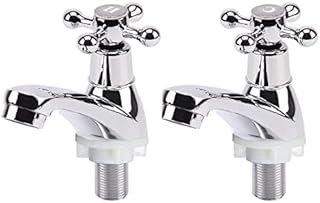


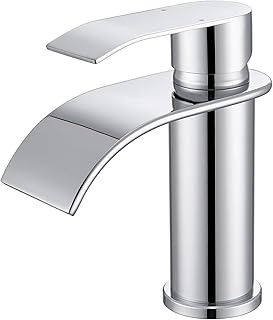


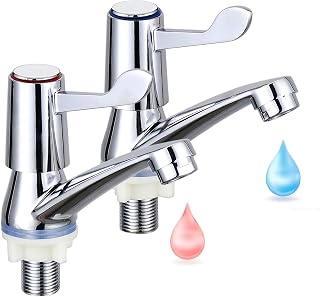


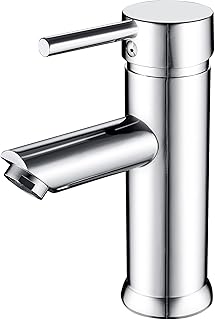


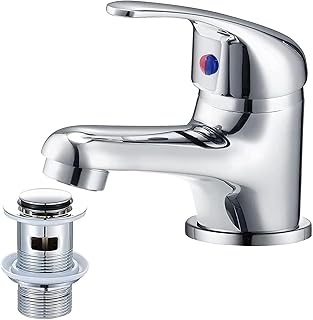


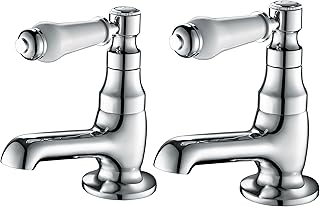
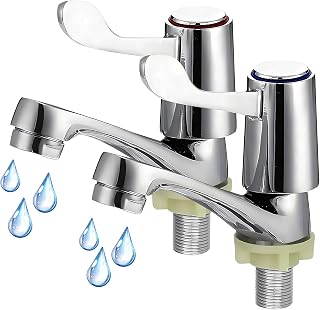
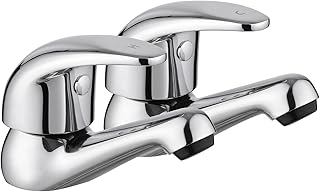

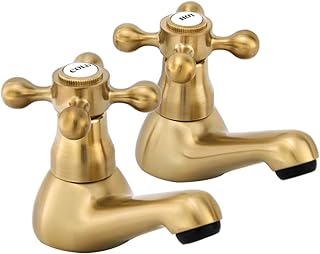


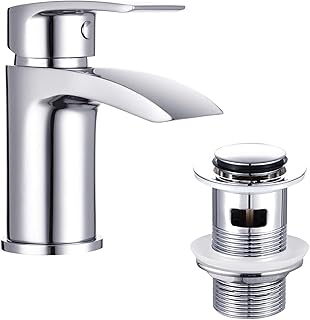


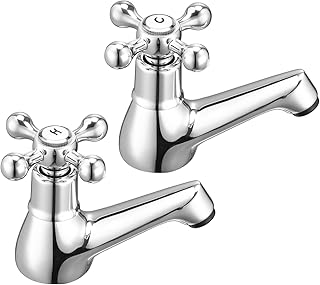
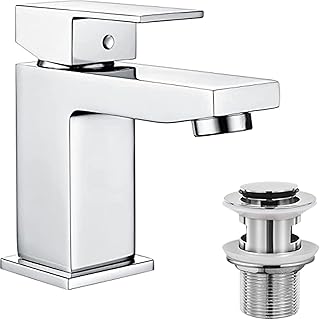
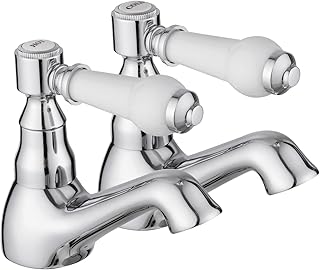


Choosing bathroom taps is about more than appearance. A tap can look ideal in photographs yet be unsuitable for the basin, incompatible with the existing plumbing, awkward to operate or poorly matched to the home's water pressure. A useful comparison therefore starts with installation requirements and performance, then moves on to finish, controls, cartridge quality, dimensions, cleaning and long-term value. For a bathroom renovation, replacement project or new installation, compare each candidate against the same criteria. The most useful questions are: what type of tap is required, how many tap holes are available, what water pressure does the property have, what flow rate can the tap deliver, what material and cartridge are used, how easy is it to maintain, and are the relevant UK installation requirements satisfied? The existing basin or bath usually determines which tap configurations are practical. A single-hole basin is commonly paired with a monobloc or single-hole mixer, while a basin with two separate holes may require pillar taps or a two-handle mixer. Three-hole arrangements can accommodate widespread or three-piece designs, depending on the manufacturer's specification. Basin pillar taps: Two separate taps, normally one for hot water and one for cold. They suit traditional bathroom schemes and basins designed with separate holes. Basin mixer taps: Hot and cold water are combined through one outlet. They are widely used in contemporary bathrooms and can provide convenient one-handed temperature and flow control. Monobloc taps: A type of single-hole mixer generally designed for a basin with one central mounting hole. Check the required hole diameter and worktop or basin thickness. Widespread taps: Separate handles and spout create a more spacious three-hole arrangement. They can offer a distinctive appearance but require more careful measurement before purchase. Wall-mounted basin taps: Installed through the wall rather than directly through the basin. They can create a clean, minimalist appearance but require suitable concealed pipework and accurate installation. Bath pillar taps: Separate hot and cold outlets mounted on the bath or surrounding surface. They remain a straightforward choice for traditional and some contemporary bathrooms. Bath mixer or filler taps: Hot and cold water enter a shared outlet, with the controls determining temperature and flow. Some designs incorporate a handset or diverter. Thermostatic bath or shower controls: These regulate water temperature using a thermostatic mechanism and should be evaluated separately from ordinary basin mixer taps. One of the most common buying mistakes is selecting a tap based only on photographs or overall dimensions. Before ordering, measure the available mounting hole, the distance between holes where applicable, the thickness of the basin or worktop, the available clearance beneath the fitting and the position of the water connections. The spout dimensions also matter. A spout that is too short may discharge water close to the rear of the basin, whereas an excessively long spout can project beyond the ideal area and create unnecessary splashing. Spout height should be considered alongside basin depth, particularly with countertop basins. Measure the mounting-hole diameter rather than assuming all taps use the same size. For two- or three-hole installations, measure the centre-to-centre spacing accurately. Check the basin or worktop thickness against the tap's stated mounting range. Measure the space beneath the basin for fixing hardware and flexible connectors. Check whether the existing isolation valves and pipe connections are accessible. For wall-mounted taps, establish the required concealed depth before the wall is finished. Compare the spout reach with the basin's internal dimensions rather than the external basin width. Water pressure is one of the most important technical considerations when comparing bathroom taps in the UK. A tap designed to perform well under higher pressure may not deliver the same experience on a low-pressure gravity-fed system. Conversely, a fitting intended for lower pressure may not be the best choice where high-pressure supply is available. Always compare the manufacturer's stated minimum and maximum operating pressures with the actual plumbing system. If the property has a combination boiler, unvented cylinder, gravity-fed system or another arrangement, the available pressure and flow characteristics can differ significantly. Pressure describes the force available to move water through the system, while flow rate describes how much water is delivered over a given period. A tap may have an impressive quoted maximum flow rate but still perform poorly if the incoming pressure or pipework cannot supply the required volume. When comparing specifications, look for flow information at stated pressure levels rather than relying on a single headline figure. This gives a more meaningful indication of how the tap may behave in different installations. If a bathroom has a gravity-fed hot-water system, pressure may be relatively modest compared with a high-pressure system. Taps specifically designed or rated for low-pressure operation can therefore be a better choice. Do not assume that a tap labelled as a mixer will automatically perform well at low pressure. Check the manufacturer's minimum pressure requirement and whether the specification distinguishes between balanced and unbalanced supplies. High-pressure systems can provide stronger flow, but the tap must be suitable for the available pressure. Check the stated operating range before installation. This is particularly important for mixers and fittings with multiple outlets or integrated shower functions. Material choice affects durability, weight, corrosion resistance, manufacturing quality and ultimately how a tap feels in everyday use. The visible finish does not necessarily reveal the material underneath, so the product specification is more useful than appearance alone. Brass is widely used for sanitary tapware because it can be formed into complex shapes and provides a robust base for plated or coated finishes. When comparing brass taps, look beyond the word “brass” and examine the complete specification, including cartridge type, finish and connection components. Stainless steel can provide strong corrosion resistance and is often associated with modern bathroom fittings. The precise grade and construction matter, however, so “stainless steel” should not be treated as a complete description of quality. Some budget bathroom fittings use zinc alloys or combinations of materials in particular components. This does not automatically make a fitting unsuitable, but buyers looking for long-term durability should establish which parts are made from which materials. A heavy tap can feel substantial, but weight is not a reliable standalone measure of engineering quality. Cartridge construction, internal components, threads, seals, mounting hardware and finish durability can all have a greater influence on long-term performance. The cartridge is one of the most important components in a modern mixer tap. It controls the movement and mixing of water and is central to how smoothly the handle operates. Ceramic disc cartridges are widely used because their construction can provide precise control and good resistance to wear when properly manufactured and maintained. When comparing taps, look for clear information about the cartridge rather than assuming that every mixer uses an equivalent mechanism. Some manufacturers provide replacement cartridges or specify a particular cartridge system, which can make future servicing easier. Smooth handle movement without excessive stiffness or looseness. Consistent control over water flow. Predictable temperature adjustment. Replacement availability where specified by the manufacturer. Seals and internal components appropriate for the intended water conditions. A cartridge is also a service component. If a tap begins dripping or becomes difficult to operate, replacing the appropriate internal cartridge can sometimes be preferable to replacing the complete fitting, provided compatible replacement parts remain available. Chrome remains a versatile choice because it works with traditional and contemporary bathrooms and is relatively straightforward to coordinate with other fittings. However, modern bathrooms offer a much wider range of finishes, including brushed nickel, brushed brass, polished brass, matt black, gunmetal and other proprietary finishes. Chrome is often selected for its bright appearance and broad compatibility with other bathroom hardware. Water marks and limescale can still become visible, particularly in hard-water areas, so regular gentle cleaning is important. Matt black taps can create a strong visual contrast and work particularly well with contemporary interiors. Because the finish is an important part of the design, compare cleaning instructions carefully and avoid abrasive products that could damage the surface. Brushed brass and gold-tone fittings can provide a warmer appearance than chrome. Finish terminology varies between manufacturers, so two products described using similar colour names may not match exactly. These finishes can offer a softer alternative to highly reflective chrome. They are useful when the goal is a coordinated bathroom scheme without the strong contrast created by black fittings. The most important rule is to compare the manufacturer's cleaning and care instructions before buying. Decorative finishes can respond differently to acids, abrasives, bleach-based cleaners and aggressive descaling products. Water efficiency is increasingly relevant when comparing bathroom taps. Some designs incorporate flow restrictors, aerators or other mechanisms intended to reduce water consumption while maintaining a usable stream. An aerator mixes air with water to create a fuller-looking flow. This can make a lower-volume stream feel more substantial, although actual performance depends on pressure, tap design and the specific aerator used. Where a product claims reduced water use, examine the technical specification rather than assuming that every “eco” feature delivers the same result. Flow rate can vary significantly between models and pressure conditions. A very low flow rate is not necessarily ideal for every bathroom. A basin tap should still rinse effectively and provide sufficient flow for everyday tasks. The best balance depends on the household, basin design and water system. For UK buyers, regulatory and installation requirements deserve more attention than they often receive. Water fittings can be subject to the relevant water fittings regulations or byelaws, depending on where the property is located. Product approval and compliance information should therefore be checked against the requirements applicable to the installation. WRAS approval is one recognised route for demonstrating suitability of certain water fittings, but buyers should not assume that every product must carry a WRAS approval number in every circumstance. The relevant requirements can depend on the fitting, installation and jurisdiction. Where compliance is important, check the manufacturer's documentation and the requirements applicable to the property rather than relying solely on retailer descriptions. For complex installations, a qualified plumber can help establish whether the chosen fitting is appropriate. Dimensions can make the difference between a tap that works beautifully and one that causes continual splashing. This is particularly important with countertop basins, vessel sinks and shallow basins. Countertop basins often require taller taps because the basin sits above the worktop. However, “tall” is not enough as a selection criterion. The spout outlet should sit at a sensible height above the basin without creating an unnecessarily forceful drop. These typically offer more conventional tap mounting positions. Even so, check spout reach and handle clearance before purchasing. A compact basin can make an oversized mixer look disproportionate and may increase splashing. Shorter spouts and compact tap bodies can be more appropriate, provided they still deliver water into the usable area of the bowl. Handle design affects both aesthetics and everyday usability. Lever handles are generally straightforward to operate and can be useful where precise control is preferred. Crosshead handles provide a more traditional appearance, while individual temperature and flow controls can create a more distinctive design. Single lever: Convenient for controlling temperature and flow with one hand. Two-handle mixer: Separates hot and cold controls and can suit both traditional and modern designs. Crosshead: Strong traditional styling, often paired with period-inspired bathrooms. Knob controls: Compact and visually simple, although ergonomics vary by design. Sensor or touch-free operation: Can offer hygienic, hands-free operation but introduces additional components and power or battery considerations depending on the design. Traditional bathrooms often suit crosshead or separate pillar taps, bridge-style mixers and finishes such as chrome or polished brass. Brands such as Burlington, Crosswater and Bristan offer product ranges spanning different design directions, but the precise specification should always be checked for the individual model. Single-lever mixers, slim cylindrical bodies and minimalist spouts are common choices for contemporary bathrooms. Grohe, Hansgrohe, Roca, Crosswater and Abode are among the established names buyers may encounter when comparing modern bathroom fittings. Wall-mounted taps or compact single-control mixers can reduce visual clutter. Minimalism should not come at the expense of serviceability, so make sure the concealed components remain accessible where required. Prioritise straightforward operation, robust construction, easy cleaning and sensible temperature control. A visually striking tap is less useful if it is awkward for children or difficult to clean around. Brand is useful as a comparison signal, but it should never replace model-level research. Different ranges from the same manufacturer can use different cartridges, finishes, dimensions and connection systems. Grohe: Known for a broad selection of bathroom and shower fittings, with an emphasis on contemporary designs and engineering features. Hansgrohe: Offers bathroom taps across multiple design ranges, including minimalist and more sculptural styles. Bristan: A familiar UK bathroom fitting brand with products covering traditional, contemporary and value-oriented requirements. Crosswater: Provides a wide range of bathroom fittings and coordinated design collections. Roca: Offers taps alongside broader bathroom products, making it useful to consider when matching a complete bathroom design. Abode: Produces bathroom and kitchen fittings with a range of contemporary finishes and designs. Mira: Particularly relevant when comparing showering and water-control products alongside bathroom fittings. The best brand for one bathroom may not be the best for another. Compare the exact model's dimensions, operating pressure, cartridge, finish, warranty terms, spare-part provision and installation requirements. A specification-led comparison is more useful than relying on star ratings alone. Customer feedback can reveal practical issues, but the technical specification determines whether the tap is suitable for the installation in the first place. Tap type: Identify whether it is a pillar, mixer, monobloc, widespread, wall-mounted or another configuration. Mounting: Confirm the number and size of holes required. Operating pressure: Compare minimum and maximum pressure requirements with the property's system. Flow rate: Check the quoted rate and the pressure at which it was measured. Cartridge: Establish the type and whether replacement parts are available. Material: Identify the principal body material and any significant differences between internal and external components. Finish: Check the manufacturer's care instructions and whether matching accessories are available. Dimensions: Compare height, spout reach and mounting depth with the actual installation. Connections: Confirm that the supplied connections or adaptors are compatible with the plumbing arrangement. Compliance: Check relevant UK water-fitting requirements and manufacturer documentation. Warranty: Read the manufacturer's warranty terms rather than assuming all parts are covered for the same period. Spare parts: Consider whether cartridges, aerators, seals and other service components can be sourced. This is one of the easiest mistakes to avoid. Confirm the mounting arrangement before considering colour or styling. A beautiful tap is of little use if the basin has the wrong number of holes. Pressure requirements are frequently overlooked because online listings often focus on appearance. Always check the minimum operating pressure. Photographs cannot reveal cartridge quality, connection dimensions, maintenance requirements or flow characteristics. Use photographs to shortlist styles, then use technical specifications to make the final comparison. Even apparently identical finishes can vary subtly between manufacturers. If several bathroom fittings are being installed together, buying from coordinated ranges can make matching easier. A tap can physically fit the basin while still being uncomfortable to operate if the handle contacts a wall, mirror, splashback or another fitting. Highly sculptural taps can have more edges and recesses that collect limescale. If easy maintenance is a priority, compare the shape and cleaning requirements as carefully as the finish. Scale matters. Large waterfall-style or tall mixer taps may overwhelm a compact cloakroom basin and can increase splash potential. Purchase price is only one part of lifetime value. Cartridge replacement, finish durability, spare-part availability and ease of servicing can all influence the overall cost of ownership. Even when the installation appears straightforward, preparation is important. Turn off the relevant water supply before work begins and make sure the existing connections can be safely isolated. Where plumbing alterations are required, professional installation may be appropriate. Confirm the tap matches the mounting hole configuration. Check the supplied fixing kit against the basin or worktop. Inspect flexible hoses and connection sizes. Make sure isolation valves are accessible after installation. Follow the manufacturer's installation instructions rather than relying on a generic method. Check for leaks after the water supply is restored. Ensure the spout points correctly into the basin. Confirm handles can be operated without contacting nearby surfaces. Hard water can leave mineral deposits around outlets, handles and joints. This makes the geometry of the tap particularly important. Simple shapes with accessible aerators can be easier to maintain than heavily detailed designs with numerous recesses. Regular cleaning is generally preferable to allowing deposits to build up. Use only cleaning products approved or recommended by the tap manufacturer. Strong acids, abrasive creams, scouring pads and unsuitable descaling products can damage decorative finishes. If the water stream becomes uneven, the aerator may need attention. Follow the manufacturer's instructions for removal and cleaning. Avoid forcing components that may have delicate threads or specialised inserts. Good maintenance is straightforward but should be consistent. Wipe away water after use when practical, especially on darker or highly polished finishes. Use a soft cloth and a suitable cleaning product, following the manufacturer's instructions. Clean the surface regularly rather than waiting for heavy limescale. Avoid abrasive sponges and harsh scouring materials. Do not assume bathroom descaler is safe for every finish. Check the aerator if flow becomes uneven. Investigate persistent dripping rather than leaving it unattended. Keep manufacturer documentation for future cartridge or spare-part identification. Where a cartridge requires replacement, identify the exact model before ordering a part. A dripping mixer does not necessarily mean the entire tap has failed. A worn cartridge, seal or other service component may be responsible. Before replacing the fitting, identify the likely cause and establish whether compatible replacement parts are available. Replacement can make more sense where the tap has significant corrosion, damaged threads, a deteriorated finish, discontinued internal components or repeated faults. The age and overall condition of the installation should also be considered. These features are more commonly associated with kitchen taps, but buyers may encounter specialised bathroom fittings with additional outlet or spray functions. They should be evaluated carefully because extra moving components can affect maintenance and installation requirements. Waterfall taps provide a visually distinctive stream and can work particularly well in contemporary bathrooms. The basin must be appropriately sized and positioned to minimise splashing. A swivel spout can provide additional flexibility, but it introduces a moving joint. Check the intended range of movement and whether the design is suitable for the basin or bath. Some basin mixers are supplied with a matching waste-control mechanism. This can make the installation visually coordinated, but compatibility with the basin waste arrangement should still be confirmed. At the budget end of the market, prioritise compatibility and basic engineering over decorative extras. A straightforward chrome mixer with a sensible pressure range can be more practical than a complicated design that does not suit the plumbing system. Mid-range fittings can offer a broader selection of finishes, improved styling and potentially better access to replacement components. Compare the actual specifications rather than assuming a higher price automatically means better durability. Premium fittings can place greater emphasis on design, manufacturing details, surface finishes, control mechanisms and coordinated bathroom collections. The additional expenditure is most worthwhile when the buyer values those specific benefits and the tap is technically appropriate for the installation. Customer reviews can be useful, but they should be interpreted in context. A review reporting poor flow may reflect a low-pressure installation, while another complaint about splashing could relate to a particular basin shape. Look for recurring, specific observations rather than isolated comments. Reviews that mention installation dimensions, cartridge behaviour, finish quality, handle operation or long-term maintenance can be more informative than generic comments about appearance. Give greater weight to reviews that describe the installation conditions. Look for repeated complaints rather than one-off defects. Separate delivery or packaging issues from the product's engineering quality. Compare review comments with the manufacturer's specification. Check whether negative feedback relates to the exact model rather than a different product in the same range. For rental properties, practicality can be more important than highly specialised styling. A durable, easily cleaned finish, straightforward cartridge system and readily obtainable replacement parts can make maintenance simpler. Standardised fittings can also be useful where multiple bathrooms are maintained. Choosing a small number of established models may simplify future replacement, although the exact suitability of each fitting still depends on the plumbing installation. Family bathrooms benefit from taps that are intuitive to operate and easy to clean. Single-lever mixers can be convenient, while thermostatic controls may be relevant where shower or bath temperature management is a priority. For children's bathrooms, consider handle ergonomics, basin size, splash control and the wider bathroom layout. A tap should work as part of the complete installation rather than being selected as an isolated decorative item. A coordinated bathroom usually looks more deliberate when taps, shower controls, wastes, flush plates, handles and accessories have compatible finishes. Exact matching is not always necessary, but deliberate contrast tends to work better than accidental variation. Consider the visual relationship between the tap and the basin, vanity unit, mirror, shower fittings and bath. Chrome can blend easily with a wide range of hardware, while black, brass and coloured finishes create stronger design statements. How many tap holes does the basin or bath have? What is the mounting-hole diameter? What is the property's hot and cold water pressure? What minimum and maximum pressure does the tap require? What flow rate is specified at the relevant pressure? Is the tap suitable for the intended basin depth? Is the spout reach appropriate? Will the handle have sufficient clearance? What is the main body material? Which cartridge is fitted? Are replacement cartridges and seals available? What cleaning products are permitted for the finish? Does the fitting meet the requirements applicable to the installation? What does the manufacturer's warranty cover? Are installation components included? There is no universal “best” bathroom tap because the right choice depends on the installation. For most buyers, the priority order should be compatibility first, water-pressure suitability second, practical dimensions third, construction and serviceability fourth, and appearance and additional features alongside these considerations. A technically compatible tap with a durable cartridge and serviceable components is generally a stronger long-term proposition than a visually impressive fitting that does not suit the plumbing system. Prioritise a tap with a suitable minimum pressure requirement and check its published flow performance under low-pressure conditions. Confirm that the tap's maximum operating pressure is compatible with the installation and compare flow characteristics at realistic pressure levels. Focus on tap height, spout reach, outlet position and splash control before choosing a finish. Compare pillar taps, crosshead mixers and traditional finishes while checking that modern technical requirements are still satisfied. Compare single-lever mixers, wall-mounted designs, waterfall spouts and modern finishes, but retain the same focus on pressure, dimensions and serviceability. Long-term value is not simply a question of buying the product with the lowest environmental footprint claimed on a retailer listing. A tap that can be maintained, repaired and supplied with replacement components may avoid an unnecessary complete replacement. Water efficiency can also matter over the lifetime of the fitting. Where two otherwise suitable taps have different flow characteristics, compare the published specifications and consider how frequently the basin or bath will be used. Once several products have passed the basic compatibility checks, narrow the shortlist using a consistent scoring approach. Compare each model on installation suitability, pressure requirements, flow rate, dimensions, construction, cartridge, finish, maintenance, spare parts and warranty terms. Only after those factors have been assessed should styling and price determine the final choice. This approach reduces the risk of selecting a tap that looks excellent but creates problems during installation or everyday use. Compatibility: Does it fit the basin, bath or worktop? Tap holes: Does the configuration match the existing installation? Pressure: Is it rated for the property's water system? Flow: Is the expected flow appropriate for the intended use? Dimensions: Are height and spout reach suitable? Material: Is the construction clearly specified? Cartridge: Is the mechanism suitable and serviceable? Finish: Does it coordinate with the rest of the bathroom? Maintenance: Can the fitting be cleaned without damaging the finish? Parts: Are replacement components identifiable and obtainable? Compliance: Has relevant UK suitability information been checked? Warranty: Have the actual manufacturer's terms been read? Value: Does the complete specification justify the total cost? The best type depends on the basin or bath, plumbing arrangement, water pressure, preferred controls and design requirements. A basin mixer is a practical choice for many single-hole installations, while pillar taps remain appropriate for basins designed for separate hot and cold fittings. Neither is universally better. Mixer taps combine hot and cold water and can offer convenient control, while separate pillar taps can suit traditional bathrooms and existing two-hole basins. Installation compatibility should determine the starting point. A monobloc is generally a single-hole mixer tap in which hot and cold water are controlled through one fitting. The exact connection arrangement varies between products, so the manufacturer's installation specification should be checked. Ceramic cartridges are widely used in quality mixer taps and can provide smooth, precise operation and good wear resistance. However, cartridge quality depends on the actual component and manufacturing standard, so the term “ceramic” alone should not be treated as a complete measure of tap quality. There is no single finish that is easiest for every bathroom. Chrome is widely used and straightforward to coordinate, while brushed finishes can have a different visual response to water marks. The manufacturer's cleaning guidance is more important than the finish name alone. Not necessarily. Different taps have different minimum pressure requirements. Low-pressure installations should be matched with products designed or rated for the available pressure. Splashing can result from the relationship between the spout outlet, water flow, basin shape, outlet height and water pressure. Check whether the spout reaches the correct area of the basin and whether the tap's flow rate is appropriate for the installation. There is no universal lifespan that applies to every tap. Durability depends on construction, water conditions, frequency of use, maintenance, cartridge quality and whether replacement components remain available. Manufacturer warranty terms should not be confused with a guaranteed service life. Often yes, provided the replacement tap matches the basin's mounting arrangement and dimensions. The number and size of holes, basin thickness, spout reach and underside access should all be checked before purchasing. Yes. There is no requirement for every fitting to come from the same manufacturer, although mixing brands can make exact finish matching more difficult. Compare finish tones and design proportions before combining products. They can require more planning than deck-mounted taps because the pipework and mounting arrangement are concealed within or behind the wall. Installation depth and pipe positions need to be established accurately before the finished wall surface is completed. Choose according to the bathroom's design and maintenance requirements. Chrome is versatile and easy to coordinate, while matt black can create a stronger contemporary contrast. Always check the manufacturer's care instructions for the selected finish. Check exactly what is covered, the duration for different components, any installation-related conditions, and whether exclusions apply to finishes, cartridges or consumable parts. The manufacturer's current warranty documentation is the appropriate source for the precise terms. No. Price can reflect design, materials, manufacturing, brand positioning and additional features, but it does not automatically establish suitability or durability. A less expensive tap with the correct dimensions, pressure range and serviceable cartridge can be a better choice for a particular installation. The strongest bathroom tap purchase is rarely the one chosen from appearance alone. Start with the installation, confirm the water-pressure requirements, measure the available space and compare the technical specification. Then assess materials, cartridge design, finish, cleaning requirements, spare parts, warranty terms and overall value. Established brands such as Grohe, Hansgrohe, Bristan, Crosswater, Roca and Abode provide useful starting points for comparison, but the exact model specification should always take precedence over the reputation of the brand as a whole. Before making a purchase, compare the manufacturer's latest specifications with the retailer's listing, read verified customer feedback for the exact model, check today's price from trusted retailers and confirm that the fitting is suitable for the property's plumbing system. If the installation requires alterations to concealed pipework or there is uncertainty about water-pressure compatibility, professional plumbing advice can help prevent an expensive mistake. For an independent bathroom tap comparison, the most useful question is therefore not simply “Which tap is best?” but “Which tap has the right combination of compatibility, performance, construction, maintenance and value for this particular bathroom?”How to Compare Bathroom Taps Before You Buy
1. Check the Tap Configuration First
2. Measure the Existing Installation
Water Pressure and Flow Rate: The Technical Details That Matter
Pressure Is Not the Same as Flow Rate
Low-Pressure Bathroom Taps
High-Pressure Installations
Tap Materials: Brass, Stainless Steel and Other Options
Brass Tap Bodies
Stainless Steel
Zinc and Other Lower-Cost Materials
Do Not Judge Quality by Weight Alone
Ceramic Cartridges and Internal Mechanisms
What Makes a Good Tap Cartridge?
Bathroom Tap Finishes and What to Consider
Chrome
Matt Black
Brushed Brass and Gold-Tone Finishes
Brushed Nickel and Gunmetal
Water-Saving Features and Eco Settings
Water Efficiency Versus User Experience
WRAS Approval and UK Water-Fittings Considerations
Tap Height, Spout Reach and Basin Compatibility
Countertop Basins
Inset and Semi-Recessed Basins
Small Cloakroom Basins
Bathroom Tap Handle Designs
Best Bathroom Tap Styles for Different Bathroom Designs
Best for Traditional Bathrooms
Best for Contemporary Bathrooms
Best for Minimalist Bathrooms
Best for Family Bathrooms
Bathroom Tap Brands Worth Comparing
How to Compare Bathroom Taps by Specification
Common Bathroom Tap Buying Mistakes
Choosing a Tap That Does Not Match the Basin
Ignoring Water Pressure
Buying on Appearance Alone
Assuming All Chrome Finishes Match
Forgetting Handle Clearance
Failing to Consider Cleaning
Choosing an Oversized Tap for a Small Basin
Assuming the Cheapest Tap Is the Best Value
Bathroom Tap Installation: What to Check Before Fitting
How to Choose Bathroom Taps for Hard-Water Areas
Cleaning the Aerator
Bathroom Tap Maintenance and Long-Term Care
When a Dripping Tap Needs Repair or Replacement
Bathroom Tap Comparison: Features That Deserve Extra Attention
Pull-Out and Pull-Down Functions
Waterfall Spouts
Swivel Spouts
Pop-Up Waste Integration
Bathroom Tap Buying Guide by Budget
Budget Bathroom Taps
Mid-Range Bathroom Taps
Premium Bathroom Taps
How to Read Bathroom Tap Reviews Properly
How to Compare Bathroom Taps for a Rental Property
How to Compare Bathroom Taps for a Family Home
Bathroom Tap Aesthetics: Matching the Rest of the Room
Questions to Ask Before Buying Bathroom Taps
Bathroom Taps: What Specifications Matter Most?
For a Low-Pressure Home
For a High-Pressure Home
For a Countertop Basin
For a Traditional Bathroom
For a Contemporary Bathroom
Bathroom Tap Sustainability and Lifetime Value
How to Make a Final Bathroom Tap Shortlist
Bathroom Tap Comparison Checklist
Frequently Asked Questions About Bathroom Taps
What is the best type of bathroom tap?
Are mixer taps better than separate taps?
What is a monobloc bathroom tap?
Are ceramic cartridges better?
What tap finish is easiest to maintain?
Do bathroom taps need high water pressure?
Why is my new mixer tap splashing?
How long should a bathroom tap last?
Can I replace bathroom taps without replacing the basin?
Can I mix tap brands in one bathroom?
Are wall-mounted bathroom taps difficult to install?
Should I choose chrome or matt black taps?
What should I look for in a bathroom tap warranty?
Are expensive bathroom taps always better?
Final Buying Advice for Bathroom Taps