

♥ Wishlist


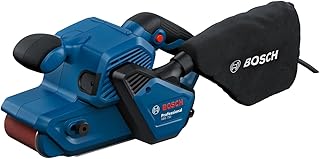


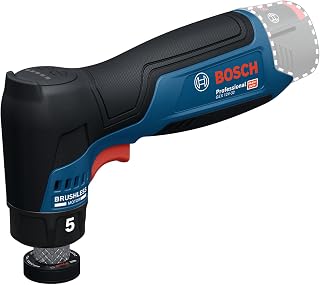


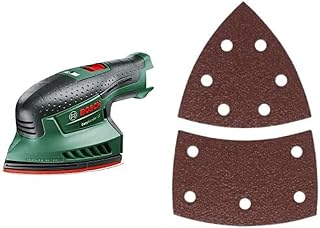


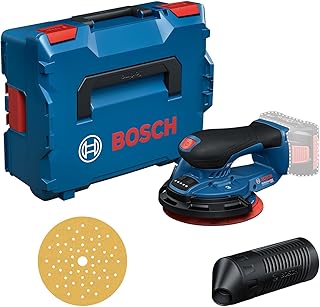


Bosch cordless sanders are designed for users who want practical sanding performance without the restriction of a mains power cable. Whether you are preparing timber before painting, smoothing wooden surfaces, refreshing furniture or completing detailed DIY work, a cordless sander can make repetitive sanding tasks easier to manage. The Bosch range provides a useful choice for different applications, from general surface preparation to more controlled finishing work.
For UK shoppers, cordless sanding can be particularly useful when working across different rooms, workshops, garages or outdoor areas. Without a cable running back to a socket, you can move around your project more freely and spend less time positioning extension leads. Battery-powered operation can also be convenient for smaller jobs where setting up a corded machine would be unnecessary.
The best Bosch cordless sander depends on the type of surface you are working on and the finish you want to achieve. Before choosing a model, consider the sanding area, material, required level of control and expected workload. A compact sander may be preferable for furniture and smaller surfaces, while a larger sanding tool can be more suitable when covering broader areas.
It is also worth considering the sanding motion and pad design. Different sanding systems are intended for different jobs, so matching the tool to your application can help produce a more consistent result. For woodworking, surface preparation and finishing, selecting suitable abrasive paper and using the correct sanding technique is just as important as choosing the machine itself.
One of the main advantages of Bosch cordless sanders is the freedom provided by battery operation. You can move around a workpiece without managing a power cable, which can be useful when sanding furniture, doors, panels and other items away from a fixed workbench. Cordless operation can also make tools easier to position when working in confined areas or on projects where access to mains power is limited.
When comparing cordless sanders, look at factors such as battery compatibility, ergonomics, sanding speed, pad size, dust collection and overall handling. If you already use compatible Bosch cordless tools, a battery-compatible sander can be a convenient addition to your toolkit. If you are building a cordless collection from scratch, consider the battery and charger requirements as part of the overall purchase.
Cordless sanders can be useful for many common home improvement and workshop tasks. They can help prepare wooden boards before finishing, smooth rough edges, remove surface imperfections and create a cleaner base for paint, stain or other finishes. Furniture projects can also benefit from cordless sanding because the tool can be moved easily around table tops, shelves, cabinets and other components.
For the best results, start with an abrasive suitable for the material and the amount of material that needs to be removed. Coarser abrasives can help with heavier surface preparation, while finer grades are generally more appropriate for finishing. Avoid applying excessive pressure to the sander. Allowing the tool to work at its intended pace can help maintain a more even finish and reduce unnecessary wear on the abrasive.
Sanding can generate a considerable amount of fine dust, so dust management is an important consideration when selecting and using a cordless sander. A suitable dust collection system can help keep the immediate work area cleaner and improve visibility of the surface being sanded. Always follow the manufacturer's safety recommendations and use appropriate personal protective equipment for the material and application.
Comfort is another important factor, particularly during longer sanding sessions. A well-balanced tool, comfortable grip and straightforward controls can make repeated movements easier to manage. When comparing Bosch cordless sanders, think about how you normally work and whether the tool's shape and size are appropriate for the surfaces you regularly sand.
When shopping for a Bosch cordless sander in the UK, compare the tool's intended application, battery system, sanding characteristics, handling and accessories. Check whether the product is supplied as a bare tool or with a battery and charger, as this can significantly affect the overall value if you do not already own compatible batteries.
It is also sensible to consider the type and availability of replacement abrasives and other consumables. Choosing a sander that suits the materials and projects you work on most frequently can provide greater long-term usefulness than selecting a tool based only on headline specifications. Whether you are a DIY enthusiast, furniture restorer or home renovator, matching the sander to the job can help you achieve smoother and more reliable results.
Bosch cordless sanders can be a practical choice when flexibility, portability and convenient sanding are priorities. From small finishing jobs to larger woodworking and renovation projects, the right cordless sander can help simplify surface preparation while giving you greater freedom of movement. Compare the available options, check battery requirements and select the sanding format that best matches your work.
With the right abrasive, technique and dust-management approach, a Bosch cordless sander can become a valuable addition to a DIY or woodworking toolkit. Explore the Bosch cordless sanders category to compare suitable options for your next UK home improvement, furniture or workshop project.
Find Bosch cordless sanders designed to make sanding, surface preparation and finishing work more convenient. Cordless freedom helps you work without being restricted by a mains cable, making these sanders useful for DIY projects, furniture restoration, woodworking and renovation tasks across the UK.
| Sander consideration | What to look for | Best suited to |
|---|---|---|
| Sander type | Choose a sanding format suited to the required finish and surface. | Different DIY and woodworking applications |
| Battery system | Check battery and charger requirements before ordering. | Cordless workshops and mobile projects |
| Pad size | Consider the size of the area you regularly sand. | Small details through to larger surfaces |
| Dust collection | Look for a suitable dust-management solution. | Cleaner sanding and workshop tasks |
| Ergonomics | Consider grip, balance and overall handling. | Longer sanding sessions |