

♥ Wishlist


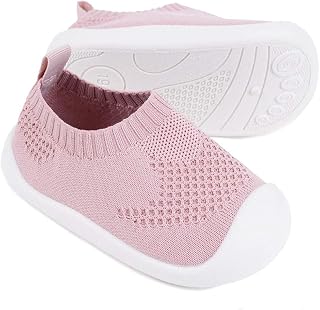

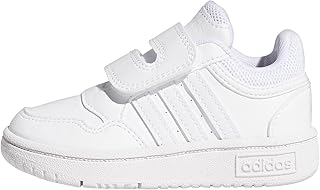

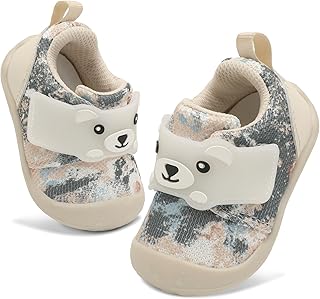


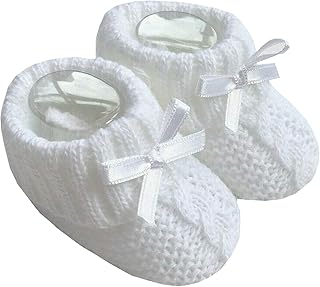


Baby shoes are a practical part of a little one's wardrobe, particularly when babies begin exploring their surroundings, standing with support and eventually taking their first independent steps. The right footwear should complement this stage without making dressing complicated. When shopping for baby shoes in the UK, parents commonly consider comfort, fit, flexibility, materials, fastening style, season and intended use. A pair selected for an outdoor family walk may have different requirements from soft footwear designed for keeping tiny feet cosy indoors.
Baby footwear can cover several stages of early development. Soft shoes and booties are useful for newborns and younger babies when warmth and gentle comfort are the main priorities. Pre-walker shoes can provide a little more structure while remaining suitable for babies who are crawling, standing or beginning to explore. First shoes are designed for babies who are starting to walk and need practical footwear for supervised outdoor adventures. As your child becomes more confident on their feet, everyday shoes can become an important part of their regular wardrobe.
Pre-walkers are a popular choice for babies who are becoming increasingly mobile but are not yet walking confidently. Look for lightweight construction and a flexible sole that allows natural movement. Once your baby starts taking regular steps, first walking shoes may be more suitable for outdoor use. Parents should pay close attention to the fit because children's feet grow quickly, and a shoe that is too tight can be uncomfortable. Measuring both feet and checking the manufacturer's sizing information can help when selecting a pair.
Baby shoes are available in a variety of materials and finishes. Soft textiles can be useful for lightweight indoor footwear, while leather and synthetic materials may offer additional structure for particular styles. Breathable materials can be helpful during warmer months, whereas lined designs and cosy booties can provide extra warmth during colder weather. Easy fastening is another useful feature. Velcro straps, elasticated openings and other simple closures can make changing shoes quicker, especially when dressing a wriggly baby.
UK weather can change considerably throughout the year, so parents may want different footwear for different seasons. Lightweight shoes and breathable designs can work well for warmer spring and summer days. During autumn and winter, parents may prefer warmer booties, lined shoes or more protective footwear for outdoor trips. For rainy conditions, practical water-resistant options can be worth considering where appropriate. Special occasion shoes can also add a smart finishing touch to outfits for birthdays, family celebrations and other events.
Start with the intended purpose. If the shoes are mainly for warmth or completing an outfit, a soft and lightweight design may be sufficient. For walking babies, prioritise an appropriate fit, flexibility and comfortable construction. Check the size guide rather than relying only on your child's age because foot measurements can vary considerably between children and brands. Consider how the shoes fasten, how easy they are to put on and whether they will work with the socks or clothing your child normally wears.
Good everyday baby shoes should be practical as well as attractive. Parents may need footwear for nursery, trips to the park, family visits, shopping or short walks. Neutral colours can coordinate with a wide range of outfits, while brighter colours, patterns and character-inspired designs can add personality. If you are buying shoes as a gift, classic colours and simple designs can be versatile choices, particularly when the exact clothing style or wardrobe preferences are unknown.
Shopping online makes it easier to compare different baby shoe styles and features in one place. Before ordering, review the available size information, fastening type, materials and product description. It is also useful to consider whether you need indoor footwear, pre-walkers, first shoes, seasonal boots or smart shoes for a special occasion. Comparing these details can help narrow down the choices and make it easier to select footwear suited to your baby's current needs.
Think about your baby's development, the environment where the shoes will be worn and the season. Select a suitable size based on measurements, look for a comfortable construction and choose a fastening that makes everyday dressing straightforward. Avoid buying solely because of appearance; practical details matter just as much. As feet grow quickly during infancy and early childhood, check the fit regularly and replace footwear when it becomes too small or uncomfortable.
The Baby Shoes category is a convenient starting point for exploring footwear for different stages, occasions and seasons. From soft pre-walkers and cosy booties to first walking shoes and everyday styles, there are options to suit changing needs. By focusing on fit, comfort, flexibility, materials and practical design, UK parents can make a more informed choice while finding footwear that works for their little one's daily routine.
Finding the right baby shoes is about more than choosing an adorable design. Young feet are developing rapidly, so parents and carers often look for footwear that feels comfortable, fits properly and suits the stage of development. From soft baby booties and pre-walkers to first walking shoes and practical everyday footwear, the Baby Shoes category brings together options for different ages, seasons and occasions. Whether you are preparing for those exciting first steps or simply need a comfortable pair for nursery, outings or special occasions, choosing the right style can make everyday dressing easier.
Primary: Commercial investigation and transactional search for baby shoes in the UK.
Secondary: Users comparing baby footwear styles, sizes, materials, seasonal options and first walking shoes.