
Our experts reviewed the latest {category_name } to help you compare quality, performance, durability and overall value before making your purchase.

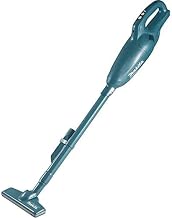


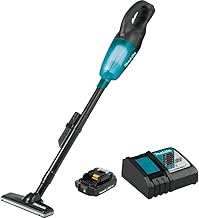
Makita's cordless vacuum range covers considerably more than one type of cleaner. The right model depends on whether you need a lightweight stick vacuum for everyday floors, a portable wet-and-dry machine for a workshop or vehicle, or a larger cordless dust extractor for power-tool applications. Treating all Makita cordless vacuums as interchangeable can therefore lead to an expensive mismatch between the machine and the job. The most useful comparison starts with the intended application, battery platform, suction characteristics, filtration, dust capacity, operating time, weight and accessory system. Makita's 18V LXT platform is particularly important for existing tool owners because compatible batteries can potentially be shared across other LXT equipment. Larger professional machines may instead use two 18V batteries or Makita's higher-voltage XGT platform. For 2026 buying decisions, specifications should also be checked against the exact model suffix and UK package. A body-only machine, for example, can look substantially cheaper than a kit containing a battery and charger, but the two packages are not equivalent purchases. There is no single best Makita cordless vacuum for every household or workplace. A sensible shortlist can be divided by use case: These distinctions matter because suction figures, airflow and dust capacity cannot be compared fairly without considering the cleaner's design and intended job. A compact stick vacuum optimised for floors is solving a different problem from a dust extractor connected to a saw, grinder or rotary hammer. The DCL284F and DCL286F are among the most relevant Makita 18V LXT stick-style cleaners to compare when portability is the priority. Both use brushless motors and offer four power settings, but their specifications point towards different ownership priorities. The DCL284F has a 730 ml capacity, maximum sealed suction of 18 kPa, maximum airflow of 1.2 m³/min and suction power ranging from 20 W to 125 W. Makita lists a net weight of approximately 1.3–1.6 kg, excluding the battery-related variation. The combination makes capacity and high suction output central advantages when comparing it with smaller compact cleaners. The DCL286F has a smaller 250 ml dust capacity and a maximum airflow of 1.0 m³/min, while maintaining a maximum sealed suction figure of 18 kPa. Its suction power is specified from 15 W to 100 W. Makita's UK product information also identifies the DCL286F as a cyclone-equipped model. In practical buying terms, the decision is less about finding a universally superior model and more about deciding whether you prioritise a larger dust container or the compact cyclone configuration. If you expect to clean larger areas before emptying the machine, capacity deserves particular attention. If compact handling and the cyclone arrangement are more important, the DCL286F deserves closer consideration. The Makita DVC750LZ should not be evaluated using the same criteria as a domestic stick vacuum. It is an 18V LXT brushless portable dust extractor designed for more demanding cleaning and extraction tasks, including wet and dry use. Makita's UK product documentation specifies a maximum airflow of 1.6 m³/min on the higher setting and maximum sealed suction of 6.7 kPa, with 50 W suction power on high and 25 W on low. The listed dry dust capacity is 7.5 litres and the wet capacity is 4.5 litres. The relatively large container changes the ownership proposition. Instead of carrying a lightweight floor cleaner around the home, the DVC750LZ is designed as a portable extraction machine that can be moved around a garage, workshop, site or vehicle. It can also be considerably more suitable when liquid collection is part of the requirement, provided the cleaner is configured and used according to the manufacturer's instructions. Its larger body inevitably makes it less convenient for quick stair cleaning or carrying from room to room than a compact stick vacuum. This is a useful example of why a higher specification in one category does not automatically make a product better for every application. The Makita DVC864L is aimed at a different category again. It uses two 18V LXT batteries to provide a 36V system, has an 8 litre dust capacity and is designed for dry extraction. Makita specifies maximum airflow of 2.1 m³/min, maximum sealed suction of 9.8 kPa and suction power of 90 W. It also incorporates HEPA filtration and Auto-Start Wireless System connectivity for compatible tools. This makes the DVC864L particularly relevant to buyers who want cordless dust extraction around compatible power tools rather than a general-purpose domestic vacuum. Its larger 8 litre capacity can reduce the frequency of emptying during extended work, while the variable suction control allows the user to adjust extraction rather than relying on one fixed power level. Makita lists a maximum noise level of 70 dB(A) or less for this model and a net weight range of approximately 7.7–8.4 kg. Those figures illustrate the trade-off clearly: the machine provides substantially more extraction infrastructure than a lightweight stick vacuum, but portability is of the workshop and job-site variety rather than the one-handed domestic variety. Battery compatibility can be more important than a small difference in vacuum specifications. If you already own several Makita tools, staying within the same battery family can reduce the need to buy additional batteries and chargers. An 18V LXT cleaner such as the DCL284F or DVC750LZ uses the 18V LXT ecosystem. Machines designated 18V x2 use two LXT batteries together to provide a higher-voltage system. Makita also has cordless cleaning equipment on the 40V Max XGT platform, so prospective buyers should not assume that every Makita battery will fit every Makita vacuum. The battery label should therefore be checked before purchase rather than relying on the colour scheme, product appearance or brand name. A body-only cleaner may be attractive when you already have compatible batteries, but it is not necessarily the most economical choice for a first-time Makita buyer. Battery capacity affects more than theoretical runtime. Larger-capacity batteries generally add weight, while the actual operating time varies with suction setting, battery condition, temperature, workload and the particular cleaner. Published runtime figures should therefore be treated as model-specific reference information rather than a guarantee of how long the machine will run in your home or workshop. For everyday cleaning, a smaller battery may provide a useful balance between runtime and handling. For extended workshop work, having additional compatible batteries available can be more valuable than choosing the largest possible battery for every task. Vacuum specifications often create confusion because manufacturers can publish suction power, maximum sealed suction and airflow as separate measurements. They describe different aspects of performance. Maximum sealed suction indicates the vacuum pressure achievable under a particular test condition. It can be useful when comparing the machine's ability to generate negative pressure, but it does not by itself describe how efficiently the cleaner moves dirt during real cleaning. Airflow describes the volume of air moved over a given period. High airflow can be important for transporting loose dust and debris through a hose or floor head. Suction power in watts is another specification used by Makita on several models. It should not be treated as interchangeable with electrical motor wattage or as a universal ranking system between different vacuum designs. The best comparison is therefore to consider suction, airflow, floor-head design, filtration, nozzle geometry, battery state and the intended surface together. A cleaner with the largest number in one specification is not automatically the strongest cleaner for every application. Filtration becomes especially important when vacuuming fine dust. A cleaner used for ordinary household debris has different requirements from one used around drilling, cutting or grinding. The DCL284F and DCL286F use filter systems designed for their compact cleaner formats, while the DVC864L incorporates HEPA filtration and is designed for dust-extraction work. Makita documentation also lists HEPA-related accessories for some models, so buyers should check the exact supplied filter and accessory configuration rather than assuming that every machine in the range is supplied with the same filtration system. It is also important to distinguish a HEPA filter from a dust-class rating. A filter specification describes filtration capability; a dust-class designation relates to a defined dust-extraction classification and the conditions under which the machine is approved. For professional construction applications, the relevant dust-control requirements should be checked independently rather than inferred from the word “HEPA” alone. A larger dust container means fewer interruptions, but it normally comes with a larger machine. For a compact domestic cleaner, a 250 ml or 730 ml capacity can be perfectly reasonable because the cleaner is intended to remain light and manoeuvrable. A workshop extractor may instead use several litres of capacity because frequent emptying would be inconvenient during longer jobs. Capacity should therefore be judged against the size of the area being cleaned and the type of material being collected. Fine dust can fill filters rapidly even when the container does not appear full, while bulky debris can consume container volume quickly. For power-tool extraction, also check whether the machine uses bags, a reusable container, cyclone separation or another collection arrangement. Consumable costs and emptying convenience can influence the long-term ownership experience just as much as the headline purchase price. Weight is easy to overlook when comparing specification sheets. A vacuum that is comfortable to use for five minutes can become tiring if it has to be held at shoulder height, carried upstairs or used for prolonged overhead cleaning. For stick vacuums, consider the combined weight of the cleaner, battery, tube and floor nozzle rather than looking only at the bare-machine figure. Makita's published DCL284F figure is approximately 1.3–1.6 kg for the cleaner, while the DVC750LZ is around 4.3–4.6 kg without treating it as a lightweight stick cleaner. Handle shape, trigger or push-button arrangement, centre of gravity and nozzle movement also affect perceived weight. These factors are difficult to reduce to one specification, which is why buyers should consider the physical cleaning routine they expect to perform. Noise matters when a cordless vacuum is used frequently in occupied homes, offices, workshops or shared working areas. Makita publishes noise figures for several cleaners, but different models and test conditions should not be treated as directly equivalent without checking the underlying specification. For example, Makita's published information gives the DVC864L a sound pressure level of 70 dB(A) or less, while the DCL286F documentation lists mode-dependent sound power levels. These are not necessarily the same measurement, so comparing the numbers as if they were identical would be misleading. Many higher-specification Makita cordless cleaners use brushless motors. The absence of conventional motor brushes can support a compact motor design and reduce one type of mechanical wear, while electronic control can help the manufacturer manage different power modes. However, “brushless” should not be used as a shortcut for overall cleaning performance. A brushless motor does not automatically mean better floor pickup, longer runtime or better filtration. Compare the entire specification and the cleaner's intended application instead. One of the most important buying decisions is whether liquid collection is actually required. A wet-and-dry machine such as the DVC750LZ is designed around a broader range of cleaning tasks than a dry-only stick vacuum, but this additional capability comes with a larger form factor. If you only need to collect household dust, crumbs and dry debris, a wet-and-dry extractor may provide capabilities that you rarely use. Conversely, a dry-only stick vacuum is the wrong choice if wet pickup is a genuine requirement. Never assume that a dry vacuum can safely collect liquids simply because it has strong suction. Follow the specific operating instructions for the model and use the correct filtration and configuration for wet applications. A high sealed-suction figure can look impressive, but it does not tell the whole story. Floor-head design, airflow, filtration and the condition of the filter can have a major influence on actual cleaning. Makita sells body-only versions of many cordless tools. This is useful for existing battery owners, but the saving disappears if you subsequently need to purchase batteries and a charger. A lightweight stick cleaner is intended for convenient general cleaning. A dust extractor is designed around hoses, larger collection systems and power-tool applications. Selecting between them based solely on the word “vacuum” is a common mistake. Filters, bags and other consumables can affect ownership cost. Before buying, check which parts are required, whether they are washable or replaceable, and whether the accessories needed for your application are included. A battery can materially change the balance and total weight of a cordless vacuum. If the cleaner will be used for stairs, ceilings, shelves or prolonged floor cleaning, ergonomics deserve more attention than a small difference in headline suction. When comparing two models, record the same categories for both rather than collecting isolated specifications. A useful comparison sequence is battery platform, intended application, cleaning type, suction, airflow, capacity, filtration, runtime, weight, noise, accessories and package contents. For example, comparing the DCL284F directly with the DVC864L based only on suction would obscure the fundamental difference between the two products. The DCL284F is a lightweight 18V stick-style cleaner with a 730 ml capacity, whereas the DVC864L is an 18V x2 dust extractor with an 8 litre capacity, HEPA filtration and AWS connectivity. A better question is therefore: “Which machine is better suited to my job?” That approach produces a more meaningful buying decision than simply looking for the highest numerical specification. Regular maintenance is essential for maintaining useful suction and protecting the cleaner from avoidable wear. The exact procedure varies by model, so the manufacturer's instructions for the specific machine should always take precedence. Maximum suction is not always necessary. On hard floors with light debris, a lower power mode can be sufficient, while maximum output may be more appropriate for stubborn dirt or demanding extraction tasks. Using the appropriate nozzle can also reduce the temptation to run the vacuum continuously at maximum power. Keep filters clean, avoid unnecessary blockages and use a suitable battery for the duration of the job. For users with several compatible Makita tools, carrying a charged spare battery can be more practical than selecting a heavier battery solely to maximise the runtime of one cleaning session. A Makita stick vacuum makes particular sense for buyers who value portability and already use the 18V LXT battery ecosystem. The DCL284F and DCL286F demonstrate how the range can be split between different capacity and collection priorities. They are particularly relevant to quick everyday cleaning, cars, workshops, offices and smaller areas where carrying a full-size extractor would be unnecessary. Their compact format also makes them easier to store than larger canister-style extractors. A portable extractor such as the DVC750LZ is more appropriate when the cleaning workload includes larger quantities of debris, workshop dust or liquid pickup. Its 7.5 litre dry capacity and 4.5 litre wet capacity make it fundamentally different from a handheld or stick vacuum. For professional power-tool dust management, a larger machine such as the DVC864L may be more appropriate because of its 8 litre capacity, two-battery configuration, HEPA filtration and AWS functionality. Several Makita cordless cleaners can be useful for vehicle cleaning because cordless operation avoids trailing a mains cable through the car. Compact stick models are particularly convenient for seats, footwells, dashboards and tight spaces when equipped with an appropriate nozzle. For heavier debris or more extensive cleaning, the choice becomes more dependent on capacity and hose configuration. A portable extractor can offer greater collection capacity but is less convenient to carry around the vehicle than a lightweight stick cleaner. Yes, but the appropriate model depends on the DIY task. Light household and workshop cleaning can suit an 18V stick vacuum, whereas drilling, cutting and sanding create different dust-management requirements. When fine construction dust is involved, choose a machine specifically intended and rated for the relevant application rather than assuming that a general-purpose cordless vacuum provides equivalent protection. For power-tool extraction, also check the hose diameter, cuffs, tool connection, filtration and dust classification applicable to the job. A vacuum that is excellent for crumbs and ordinary household dust is not automatically an appropriate dust extractor for professional cutting or grinding. When checking prices across UK retailers, compare like-for-like packages. A body-only DCL284FZB, for example, should not be compared directly with a kit containing a battery, charger and accessories. Also compare the cost of the battery platform if you are starting from scratch. A seemingly inexpensive body-only cleaner can become a substantially larger purchase once a suitable battery and charger are added. For long-term value, consider consumables, additional nozzles, replacement filters, battery requirements and the likelihood that you will use the same batteries with other Makita equipment. Checking current retailer prices immediately before purchase is sensible because cordless-tool pricing and bundle contents can change. Makita model numbers can provide useful clues, but they should not be used as a substitute for checking the full specification. A model such as DVC750LZ identifies a particular machine configuration, while suffixes can distinguish body-only or market-specific package variants. The letter Z commonly appears on body-only tool configurations, but buyers should verify the exact retailer listing and supplied contents. The same basic model can also appear in different kits, and included batteries, chargers and accessories can vary. For ordinary home cleaning, a compact 18V LXT stick vacuum is generally the most logical category to investigate. The DCL284F offers a 730 ml capacity, four suction modes and up to 125 W stated suction power, while the DCL286F provides a smaller 250 ml cyclone-based configuration. The better choice depends on whether capacity or the cyclone arrangement is more important to you. There is no reliable single answer without defining the measurement and comparing models from the same category. Makita publishes different suction-related figures across its cleaners, including sealed suction, airflow and suction power. For example, the DCL284F is specified at up to 125 W suction power and 18 kPa maximum sealed suction, while the DVC864L is specified at 90 W suction power and 9.8 kPa maximum sealed suction. These numbers demonstrate why different vacuum designs should not be ranked by one specification alone. Neither is automatically better. The DCL284F has the larger 730 ml capacity and higher stated maximum suction power, while the DCL286F has a 250 ml cyclone configuration and a more compact collection arrangement. Your cleaning routine should determine which specification matters more. Yes. The DVC750LZ is an 18V portable dust extractor specified for wet and dry use, with a listed 7.5 litre dry capacity and 4.5 litre wet capacity. Always follow the model-specific instructions when switching between applications. Some can, but suitability depends on the model. The DVC864L is specifically designed as a dust extractor and includes AWS connectivity for compatible power tools. A compact stick vacuum should not automatically be treated as an equivalent substitute for a purpose-designed dust extractor. It depends on the exact package. Many Makita tools are available as body-only versions, while other packages include one or more batteries and a charger. Always check the precise model suffix and retailer listing before comparing prices. No. Compatibility depends on the battery platform and the specific tool. Makita's cordless cleaning range includes 18V LXT, 18V x2 and 40V Max XGT equipment, so the battery designation should be checked carefully before buying. There is no universal interval because it depends on the model, filter type and material being collected. Fine dust can load a filter much faster than ordinary household debris. Inspect the filter regularly and follow the cleaning or replacement procedure specified for the particular cleaner. No. kPa generally describes vacuum pressure under a specified test condition, but useful cleaning performance also depends on airflow, nozzle design, filtration, seals and the type of debris being collected. Use kPa as one comparison point rather than a complete performance ranking. Brushless motor technology can support efficient electronic motor control and avoids conventional motor-brush wear. Nevertheless, overall vacuum performance depends on the entire machine, including airflow, filtration, battery system and floor or hose design. For many buyers, the existing battery ecosystem is the most practical deciding factor. If you already own 18V LXT equipment, an LXT vacuum can make better sense from a battery-sharing perspective. If your tools are already on XGT, a compatible XGT cleaner may fit your equipment strategy better. Do not select a platform solely because the voltage number is higher. The best Makita cordless vacuum is the one whose design matches the work you actually do. For lightweight domestic and vehicle cleaning, concentrate on weight, battery compatibility, dust capacity, suction modes and nozzle design. For garages and workshops, place more emphasis on collection capacity, wet-and-dry capability, hose compatibility and filtration. For professional power-tool extraction, prioritise dust classification, filtration, airflow, extraction connections, capacity and compatibility with the tools being used. The DCL284F, DCL286F, DVC750LZ and DVC864L illustrate the breadth of the range particularly well: from lightweight 18V stick cleaning to larger two-battery dust extraction. Their specifications are not directly interchangeable, so the strongest buying decision comes from matching the machine to the task rather than simply choosing the model with the biggest headline number. Before purchasing, verify the exact UK model, included accessories, battery and charger configuration, current retailer price, warranty terms and availability. Product specifications and package contents can change, so the final decision should always be based on the current listing for the exact model you intend to buy.Makita Cordless Vacuum Buying Guide: How to Choose the Right Model in the UK
Which Makita Cordless Vacuum Is Best?
Makita DCL284F vs DCL286F
DCL284F: What to Look For
DCL286F: What to Look For
Makita DVC750LZ: A Better Fit for Workshops and Wet-and-Dry Cleaning
Makita DVC864L: When Power-Tool Dust Extraction Matters
18V LXT, 18V x2 and 40V XGT: Which Battery Platform Should You Choose?
Why Battery Capacity Matters
Suction Power vs Airflow: What the Numbers Really Mean
Filtration and HEPA: What Buyers Should Check
Dust Capacity: Why Bigger Is Not Always Better
Weight and Ergonomics
Noise Levels and Everyday Usability
Brushless Motors: Are They Worth Paying More For?
Wet-and-Dry vs Dry-Only Cordless Vacuums
Makita Cordless Vacuum Buying Guide: Features That Actually Matter
Common Makita Cordless Vacuum Buying Mistakes
Choosing the Highest Suction Figure
Buying a Body-Only Model Without Checking Your Batteries
Confusing a Stick Vacuum With a Dust Extractor
Ignoring Consumables
Ignoring Battery Weight
How to Compare Makita Cordless Vacuums Fairly
Makita Cordless Vacuum Maintenance Guide
How to Improve Battery Runtime
Who Should Buy a Makita Cordless Stick Vacuum?
Who Should Buy a Makita Portable Dust Extractor?
Are Makita Cordless Vacuums Good for Cars?
Are Makita Cordless Vacuums Suitable for DIY?
Price Comparison: What Should You Actually Compare?
How to Read Makita Model Numbers
Independent Buying Checklist
Makita Cordless Vacuum FAQs
Which Makita cordless vacuum is best for home use?
Which Makita vacuum has the strongest suction?
Is the Makita DCL284F better than the DCL286F?
Is the Makita DVC750LZ wet and dry?
Can a Makita cordless vacuum be used for power-tool dust extraction?
Do Makita cordless vacuums come with batteries?
Are Makita cordless vacuums compatible with all Makita batteries?
How often should a Makita vacuum filter be cleaned?
Is a higher kPa rating always better?
What is the advantage of a brushless Makita vacuum?
Should I choose 18V LXT or 40V Max XGT?
Final Buying Advice for 2026