
Our experts reviewed the latest {category_name } to help you compare quality, performance, durability and overall value before making your purchase.





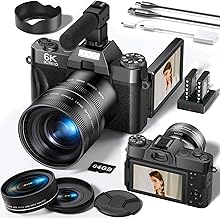


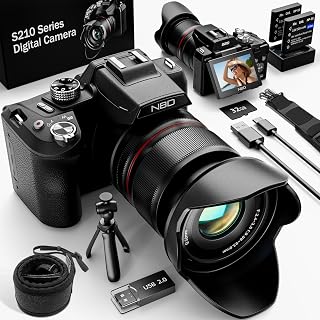


Choosing a camera in the UK is less about finding a universally perfect model and more about matching the camera system to the way you intend to shoot. A compact camera, mirrorless camera and DSLR can all produce excellent photographs, but they differ substantially in size, autofocus behaviour, lens choice, battery requirements, handling and long-term upgrade potential. When comparing cameras, look beyond headline megapixel figures. Sensor size, lens quality, autofocus performance, image stabilisation, viewfinder quality, ergonomics, video capabilities, connectivity and the availability of suitable lenses can have a greater practical effect on the experience of using a camera. The right choice can also depend on whether photography is a hobby, a professional requirement, a travel activity, family documentation, wildlife photography, portraiture, landscape work, street photography or content creation. A specification that matters enormously to one photographer may have little relevance to another. Mirrorless cameras have become a major part of the interchangeable-lens market because they can combine relatively compact bodies with large sensors, sophisticated autofocus and strong video functionality. Canon, Sony, Nikon, Fujifilm, Panasonic and OM System all have mirrorless systems covering different levels of the market. A key advantage is the electronic viewfinder, which can show a preview of exposure, white balance and other settings before the photograph is taken. Many modern mirrorless cameras also provide advanced subject-detection autofocus and continuous shooting modes that are particularly useful for moving subjects. The main consideration is the overall system rather than simply the camera body. Once lenses are added, a supposedly small mirrorless setup can become considerably larger and more expensive. Before buying, compare the size, weight and cost of the lenses you are likely to use over several years. DSLRs use an optical viewfinder and a reflex mirror system. They remain capable photographic tools, particularly when purchased as part of an established system or when a photographer already owns compatible lenses and accessories. One reason some buyers continue to consider DSLRs is access to a large selection of established lenses and accessories, particularly on the used market. However, anyone buying a new system should consider the manufacturer's current development direction as well as the immediate specification of an individual camera. Compact cameras can be attractive when portability is more important than interchangeable lenses. A good compact can be easier to carry every day than a camera body with several lenses, making it more likely that the camera will actually be available when a photograph presents itself. When comparing compact models, pay particular attention to sensor size, lens range, maximum aperture, optical or sensor-based stabilisation, autofocus, battery life and physical controls. A compact camera with a versatile lens may be a better travel solution than a larger interchangeable-lens kit for photographers who value convenience. Sensor size is one of the most useful specifications to understand when comparing cameras. Common formats include full-frame, APS-C and Micro Four Thirds, alongside smaller sensors found in many compact cameras and smartphones. A larger sensor can provide advantages in low-light photography and depth-of-field control, although the final result also depends heavily on lens aperture, image processing, focusing accuracy and shooting technique. Larger sensors do not automatically make a camera better for every type of photography. Full-frame cameras are often chosen by photographers who want strong low-light performance, extensive control over depth of field and access to professional-oriented lens ranges. They can be particularly appealing for portraits, weddings, landscapes and commercial photography. The trade-off is that full-frame systems can become expensive and heavy once multiple lenses are included. Buyers should therefore compare the complete kit rather than the body alone. APS-C cameras offer a useful middle ground between larger full-frame systems and smaller formats. They can provide high image quality while allowing relatively compact bodies and lenses. For travel, family photography, street photography and general-purpose shooting, APS-C can be a particularly sensible format when portability and image quality both matter. Micro Four Thirds cameras use a smaller sensor format but can offer substantial advantages in terms of system size. Smaller lenses can make a complete kit easier to carry, which can be valuable for travel, hiking and outdoor photography. OM System and Panasonic are notable names associated with Micro Four Thirds cameras. Buyers considering this format should assess the entire lens ecosystem and determine whether its strengths match their preferred subjects. Megapixel count describes the number of pixels captured by the image sensor, but it should not be treated as a simple measure of overall camera quality. Resolution can be useful for large prints and substantial cropping, while moderate-resolution cameras can be entirely adequate for online publishing, family albums and many professional applications. Higher resolution can also increase storage requirements and place greater demands on computers and backup systems. Extremely detailed files may therefore be unnecessary for buyers whose photographs will primarily be shared digitally. When comparing two cameras with different resolutions, consider image quality at the intended output size, autofocus, dynamic range, lens selection and handling rather than choosing solely on megapixel count. Autofocus performance can have a much greater impact on usable photographs than small differences in resolution. Modern cameras may include face detection, eye detection and subject recognition designed to help maintain focus as a subject moves through the frame. For wildlife and sports photography, tracking consistency and the ability to acquire focus on a moving subject can be particularly important. For portraits, reliable eye detection can reduce the amount of time spent manually selecting a focus point. For landscapes and static subjects, autofocus speed may be less important than accurate focusing, manual focus controls and the ability to use a tripod or other stable support. Image stabilisation can help reduce blur caused by camera movement, particularly when photographing static subjects at slower shutter speeds. Depending on the system, stabilisation may be incorporated into the lens, the camera body or both. In-body image stabilisation can be especially useful for photographers who use several lenses, because compatible lenses can benefit from stabilisation without each lens necessarily requiring its own optical stabilisation system. Stabilisation should not be confused with freezing subject movement. If a person, animal or vehicle is moving, a faster shutter speed may still be necessary even when the camera itself is stabilised. A camera body is only one component of an interchangeable-lens system. The lens determines focal length, maximum aperture, perspective, depth-of-field characteristics and, in many situations, a significant portion of the final image quality. Before committing to a camera brand, investigate the lenses you may eventually want. Canon, Sony, Nikon, Fujifilm, Panasonic, OM System and other manufacturers have different approaches to their respective systems, while third-party manufacturers can provide additional options depending on mount and compatibility. A standard zoom is often the most practical starting point because it covers a useful range of everyday focal lengths. It can be suitable for travel, family photography, landscapes and general-purpose shooting. Telephoto lenses are useful when the subject cannot easily be approached. Wildlife, sports, aircraft and some outdoor events can benefit from additional reach. When comparing telephoto options, consider focal length, maximum aperture, autofocus, stabilisation, weight and minimum focusing distance. Prime lenses have a fixed focal length. Their simplicity can encourage photographers to think more carefully about composition, while wide-aperture primes can be useful for portraits, low-light photography and subject separation. Wide-angle lenses can be useful for architecture, interiors, landscapes and situations where the photographer needs to include a large area in the frame. Very wide lenses require careful composition because objects close to the camera can appear disproportionately large. These three controls form the foundation of photographic exposure. Aperture controls the amount of light entering through the lens and influences depth of field. Shutter speed controls how long the sensor is exposed and affects the appearance of movement. ISO changes the sensor's sensitivity setting and can help maintain useful shutter speeds in darker conditions, although increasing ISO can introduce more visible noise. A camera with excellent automatic modes can make these decisions for you, but understanding the underlying controls makes it easier to compare specifications and choose appropriate equipment. For portraits, a wide aperture can help separate the subject from the background. For landscapes, photographers often want more of the scene to appear acceptably sharp. For sports and wildlife, shutter speed becomes particularly important because subject movement can create blur even when the camera is held steady. Still photography is no longer the only reason people buy dedicated cameras. Content creators, businesses, vloggers and hybrid photographers may want a camera that performs well for both photographs and video. Important video specifications include resolution, frame rates, recording formats, autofocus behaviour, microphone connectivity, headphone monitoring, HDMI output, stabilisation, overheating behaviour and the camera's ability to maintain quality during longer recordings. A camera capable of a high headline resolution is not necessarily the best video camera for every user. Audio inputs, heat management, autofocus reliability and ease of changing settings can be more important in practical content production. The viewfinder is an important part of camera usability and is sometimes overlooked when buyers compare specifications online. An electronic viewfinder can provide a live representation of exposure and colour settings, while an optical viewfinder provides a direct optical view of the scene. When comparing electronic viewfinders, consider resolution, refresh behaviour, magnification and comfort. Screen design also matters, particularly for video, low-angle photography and self-recording. A fully articulating screen can be useful for filming yourself or photographing from unusual angles. A tilting screen can be preferable for some photographers who want a simpler mechanism and quick adjustment for landscape or street work. Battery performance should be considered in the context of how the camera will be used. A photographer who spends entire days away from mains power may need spare batteries or a system that offers strong endurance. Memory card compatibility is equally important. High-resolution photographs and high-bitrate video can consume substantial storage, particularly during long shooting sessions. Check the camera's supported card type, capacity requirements and recording modes before purchasing memory cards. Wi-Fi and Bluetooth can make transferring photographs to a phone more convenient, while USB connectivity can simplify charging or file transfer depending on the camera. These features are conveniences rather than substitutes for a reliable backup strategy. Build quality becomes more important when a camera will be used outdoors, transported frequently or exposed to challenging conditions. Some cameras use more substantial materials and sealing, but buyers should not assume that a weather-resistant camera is waterproof. Weather sealing also depends on the complete system. A sealed camera body paired with a lens that has different environmental limitations may not provide the level of protection a buyer expects. If the camera will regularly be used for hiking, travel or outdoor events, compare body weight, grip design, control layout, sealing claims, battery access and the availability of suitable protective accessories. Two cameras with similar technical specifications can feel completely different in use. Button placement, dial design, grip depth, menu structure and touchscreen responsiveness all affect how quickly a photographer can change settings. For experienced photographers, dedicated controls for shutter speed, aperture, exposure compensation and autofocus can be more valuable than a marginal difference in resolution. Beginners may prefer a simpler interface with well-designed automatic modes. Weight should also be assessed with the intended lens attached. A lightweight body paired with a large telephoto lens may not produce a lightweight kit, while a slightly heavier body with compact lenses can sometimes be easier to handle over a full day. Resolution is only one part of image quality. Autofocus, sensor performance, lens quality and usability can have a greater effect on the photographs you actually keep. The initial camera body is often only the beginning of system ownership. Research the prices and sizes of the lenses you are likely to need before choosing a mount. A professional-oriented body may offer features that are valuable to demanding users but unnecessary for casual photography. Spending more does not automatically produce better photographs if the additional features will never be used. A camera that feels manageable in a shop or during a short test can become burdensome during a full day of travel. Compare the complete kit rather than the body specification alone. Budget for memory cards, spare batteries, a suitable charger, a camera bag and, where appropriate, filters, a tripod or additional lenses. These costs can materially change the total investment. If you already have compatible lenses or accessories, changing systems can be considerably more expensive than comparing camera bodies suggests. Existing equipment should therefore form part of the buying decision. A useful camera comparison should separate essential specifications from marketing features. Start with the requirements that directly affect your photography, then evaluate secondary conveniences. A beginner-friendly camera should be comfortable to hold, straightforward to operate and capable of producing high-quality images without requiring advanced manual knowledge. Good automatic modes, intuitive controls and a sensible standard lens can be more useful than an extremely complex professional feature set. Travel photographers should prioritise portability, battery management, lens versatility and durability. A smaller system that you are willing to carry everywhere may be more useful than a technically superior camera that spends most of the trip in a hotel room. Portrait photographers should look closely at autofocus and eye detection, lens availability and aperture options. A suitable prime lens can have a larger creative impact on portraits than moving from one camera body to another with a similar sensor format. Wildlife photography places particular demands on autofocus tracking, burst performance, viewfinder responsiveness, telephoto lens availability and handling. Reach, stabilisation and system weight should all be assessed together. Sports photographers should prioritise autofocus tracking, shutter performance, burst capability, buffer behaviour and access to suitable lenses. The ability to maintain focus on rapidly moving subjects can be more important than maximum resolution. Landscape photographers may place greater emphasis on dynamic range, resolution, lens selection, weather resistance, tripod compatibility and image quality at lower ISO settings. A robust tripod and carefully chosen lens can be as important as the camera body. Street photography benefits from discretion, portability, responsive controls and dependable autofocus. A compact camera or small mirrorless setup can be particularly appealing when the photographer wants to remain mobile. Content creators should look beyond video resolution. Screen articulation, microphone connectivity, autofocus, stabilisation, battery performance, heat management and ease of transferring footage may have a larger effect on the overall workflow. Brand choice should be approached as a system decision rather than a popularity contest. Canon, Sony, Nikon, Fujifilm, Panasonic and OM System each offer different combinations of camera bodies, lenses, controls and features. Canon can appeal to photographers who want a broad interchangeable-lens ecosystem and a mixture of beginner-friendly and advanced bodies. Sony is widely associated with mirrorless cameras and offers a substantial range of bodies and lenses across different user requirements. Nikon has a long history in interchangeable-lens photography and offers both modern mirrorless equipment and a substantial legacy of lenses and accessories. Fujifilm is notable for its APS-C and medium-format offerings and distinctive approach to camera controls and colour profiles. Panasonic is an important consideration for buyers interested in both photography and video, while OM System can be particularly relevant to photographers who value a compact interchangeable-lens system and outdoor-oriented features. These descriptions are starting points rather than rankings. The best brand for an individual buyer depends on the desired lens range, budget, handling preferences, camera size and intended subjects. A camera body-only purchase can make sense when you already own compatible lenses or have a specific lens planned. For a first-time buyer, a kit lens can provide a convenient way to begin photographing without committing to several lenses immediately. Before choosing a kit, compare the focal-length range, maximum aperture, close-focusing ability, stabilisation and physical size of the included lens. A kit lens that covers your everyday subjects can be more valuable than a nominally cheaper body-only package that requires an additional lens immediately. A used camera can provide access to equipment that may otherwise exceed a buyer's budget, but condition and history become important considerations. Buyers should inspect the physical body, lens mount, screen, viewfinder, battery compartment and control dials where possible. Check the shutter count when the manufacturer or camera system provides a meaningful shutter-count record, but do not treat it as the sole indicator of condition. Electronic shutters, different camera architectures and replacement components mean that shutter count does not tell the entire story. For used lenses, inspect the glass for scratches, haze, fungus or unusual marks and check autofocus and aperture operation where possible. When purchasing through a retailer or established marketplace, understand the applicable return arrangements and any included cover before completing the transaction. There is no single correct camera budget. A sensible approach is to divide the available budget between the body, the lens or lenses and essential accessories. For beginners, spending the entire budget on an advanced body can be counterproductive if there is not enough left for a suitable lens. Conversely, experienced photographers may already own lenses and therefore benefit more from upgrading the body. Think about the total cost of the system over several years rather than the initial purchase price. A camera with an affordable lens ecosystem may ultimately represent better value than a cheaper body that leads to expensive upgrades. Regular care can help keep camera equipment in good working order. Store the camera somewhere dry and reasonably stable in temperature, avoid unnecessary exposure to dust and moisture, and use suitable protective equipment when travelling. Camera sensors and lens coatings are delicate. Aggressive household cleaning products, excessive pressure or unsuitable materials can cause damage. For routine maintenance, focus on preventing contamination rather than repeatedly cleaning sensitive components. If a sensor requires cleaning and you are not confident performing the procedure safely, professional camera servicing may be preferable. Accessories should be selected according to the way the camera will be used. A travel photographer may prioritise a compact bag and spare battery, while a landscape photographer may place greater value on a sturdy tripod and suitable filters. Start by identifying the three features that genuinely affect your photography. For a wildlife photographer, these may be autofocus, telephoto lens availability and handling. For a traveller, they might be portability, lens versatility and battery performance. For a content creator, autofocus, screen design and audio connectivity may be more important. Next, identify features that are nice to have but not essential. This prevents impressive specifications from pushing the buying decision away from the requirements that matter most. Finally, compare the complete system. Consider the camera, primary lens, additional lenses you may eventually want, batteries, memory cards, bag and other accessories. This gives a more realistic picture of value than comparing camera body prices in isolation. The best camera depends on your photography requirements, budget and preferred system. A camera that is ideal for wildlife may be unnecessarily large or specialised for a traveller, while a compact travel camera may not provide the lens flexibility required by a professional photographer. No. More expensive cameras commonly provide additional features, stronger construction or more advanced performance, but those advantages are only valuable when they match the way you shoot. A well-matched camera and lens can be a better purchase than a more expensive body with features you do not need. For many photographers, yes. Resolution requirements depend on how photographs will be used, printed and cropped. Online publishing and everyday photography generally do not require extreme resolution, while specialist commercial work or heavy cropping can make higher resolution more useful. Mirrorless cameras offer advantages such as electronic viewfinders, modern autofocus systems and compact system designs, while DSLRs can still be capable photographic tools. The better choice depends on existing lenses, handling preferences, budget and the type of photography being undertaken. Full-frame and APS-C cameras involve different compromises rather than a simple good-versus-bad hierarchy. Full-frame can provide advantages in certain low-light and depth-of-field situations, while APS-C systems can offer useful reductions in size, weight and cost. A good beginner camera should be comfortable, understandable and versatile. A straightforward mirrorless camera or compact camera with reliable automatic modes can be a strong starting point, particularly when paired with a useful lens. If you are buying an interchangeable-lens camera, you need a compatible lens unless one is already available. A kit lens is often the simplest starting point, while experienced photographers may prefer to select a lens based on their specific subject matter. Brand matters mainly because it determines the available lenses, accessories, compatibility and future upgrade path. Instead of choosing a brand solely because it is popular, compare the complete system against your intended use. Buying online can make it easier to compare specifications, customer feedback and current pricing. Before purchasing, verify the retailer, product condition, included accessories, return terms and warranty arrangements that apply to the specific listing. Camera recommendations should be reviewed regularly because manufacturers introduce new bodies, lenses and firmware updates, while prices and availability can change. Specifications and retailer information should always be checked at the point of purchase. The strongest camera purchase is rarely determined by a single specification. Start with the photographs you want to make, then work backwards to the sensor format, camera body, lenses and accessories that make those photographs practical. Compare autofocus, image stabilisation, ergonomics, lens choice, video capability, battery life and complete system weight alongside resolution. Consider the long-term cost of expanding the system, particularly if photography is likely to become a serious hobby. For current purchasing decisions, compare the latest specifications, read verified customer reviews, check today's prices and confirm compatibility before ordering. Camera recommendations can change as new models arrive and older equipment becomes more affordable, so a careful comparison of the complete system is more useful than relying on a single headline ranking.Camera Buying Guide: What to Compare Before You Buy
Mirrorless vs DSLR vs Compact Cameras
Mirrorless cameras
DSLR cameras
Compact cameras
Sensor Size Explained
Full-frame sensors
APS-C sensors
Micro Four Thirds
How Many Megapixels Do You Actually Need?
Autofocus: What Matters in Real-World Use?
Autofocus questions to ask before buying
Image Stabilisation and Low-Light Photography
Lens Choice Can Matter More Than the Camera Body
Standard zoom lenses
Telephoto lenses
Prime lenses
Wide-angle lenses
Understanding Aperture, Shutter Speed and ISO
Video Features to Compare
Questions for hybrid photographers
Electronic Viewfinders, Optical Viewfinders and Screens
Battery Life, Storage and Connectivity
Camera Build Quality and Weather Resistance
Ergonomics and Controls: The Specifications You Cannot See in a Search Result
Camera Buying Mistakes to Avoid
Choosing by megapixels alone
Ignoring the cost of lenses
Buying more camera than necessary
Underestimating weight
Forgetting accessories
Ignoring the existing equipment you own
How to Compare Camera Specifications Properly
Best Camera Type for Different Buyers
Best for beginners
Best for travel
Best for portraits
Best for wildlife
Best for sports
Best for landscape photography
Best for street photography
Best for vlogging and content creation
Choosing Between Canon, Sony, Nikon, Fujifilm, Panasonic and OM System
Should You Buy a Camera Body Only or With a Kit Lens?
New vs Used Cameras
How Much Should You Spend on a Camera?
Maintenance and Care for Your Camera
Camera Cleaning: What Not to Do
Accessories Worth Considering
How to Make a Better Camera Buying Decision
Camera Comparison Checklist
Frequently Asked Questions About Buying Cameras
Which is the best camera to buy?
Is a more expensive camera always better?
Is 24 megapixels enough for photography?
Is mirrorless better than DSLR?
Is full-frame better than APS-C?
What camera is best for beginners?
Do I need a separate lens for a new camera?
How important is camera brand?
Should I buy a camera online?
How often should camera buying guides be updated?
Final Camera Buying Advice