

Our experts reviewed the latest {category_name } to help you compare quality, performance, durability and overall value before making your purchase.
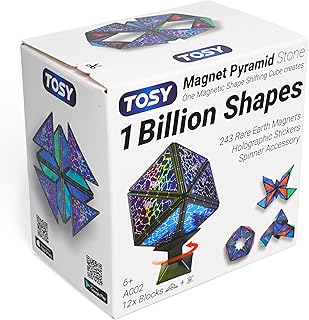


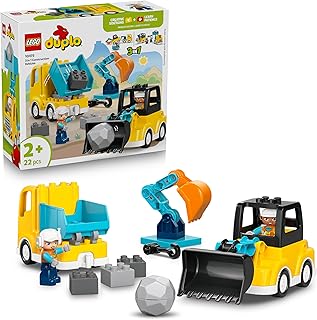


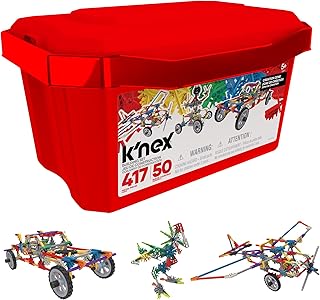

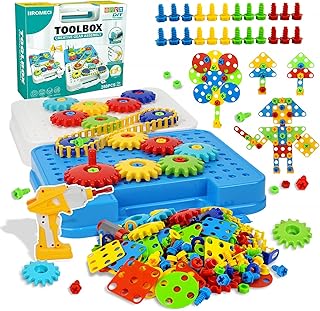


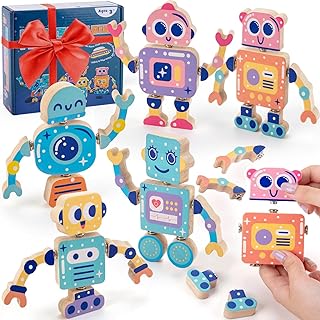

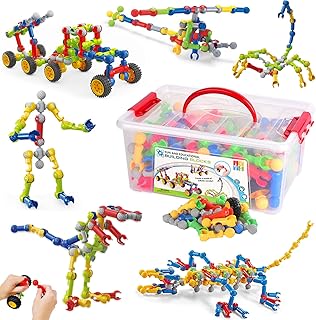


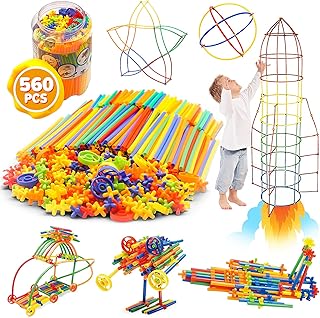


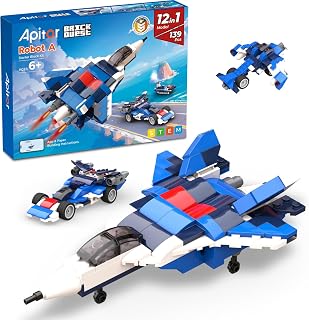


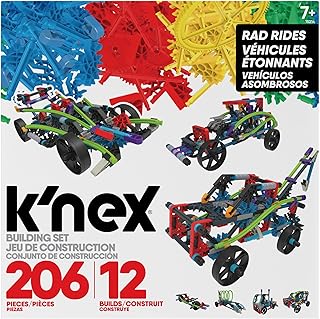

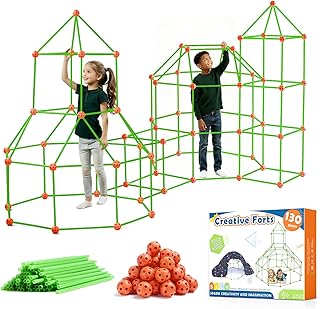


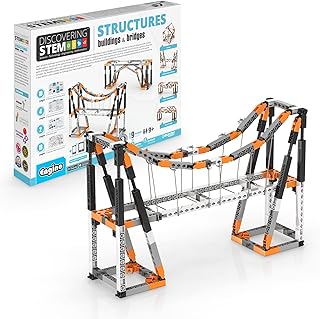


Building and construction toys vary considerably in complexity, scale, materials and the type of play they encourage. A set that is ideal for a child who enjoys following instructions may be less suitable for a child who prefers open-ended building, while a technically detailed construction kit may be frustrating for a younger beginner. The best choice therefore depends on the child's age, confidence, interests, available play space and willingness to build independently. When comparing building toys, look beyond the number of pieces in the box. Piece count can be useful, but it does not by itself indicate play value, difficulty or durability. A smaller set with versatile components may provide more opportunities for rebuilding than a much larger set containing numerous highly specialised parts. For UK buyers, it is also sensible to check the manufacturer's stated age range, safety warnings, instructions and product information before purchase. Toys supplied in Great Britain are subject to the Toys (Safety) Regulations 2011, which establish essential safety requirements covering areas including mechanical and physical properties, flammability, chemical properties, electrical safety and hygiene. Traditional interlocking bricks and blocks remain one of the most flexible choices for children who enjoy constructing houses, vehicles, towers and imaginary worlds. Their greatest advantage is versatility: the same collection can be dismantled and rebuilt repeatedly rather than being limited to one finished model. LEGO is one of the best-known examples in this category, with product families ranging from simple introductory sets to highly detailed construction models. When comparing LEGO with alternatives, consider compatibility, component variety, age suitability and the type of building experience rather than brand recognition alone. Construction-themed toys combine building with role play. Excavators, cranes, dump trucks, loaders, bulldozers and other machinery can make construction concepts more engaging for children who are particularly interested in vehicles. Some sets concentrate on assembling the vehicle itself, whereas others provide a miniature construction site with multiple machines, accessories and characters. For younger children, larger components and simpler mechanisms can make these sets easier to handle. Older children may prefer articulated parts, working steering, lifting mechanisms, gears or more elaborate models. Engineering-oriented construction toys introduce concepts such as gears, axles, levers, linkages, wheels and mechanical movement. They can be particularly rewarding for children who want to understand why a model works rather than simply how it looks. When assessing these sets, examine the complexity of the instructions and the type of connection system used. A technically sophisticated set may offer excellent long-term challenge for an experienced builder but may be unnecessarily difficult for a child still developing basic construction skills. Magnetic tiles and construction pieces allow children to create flat shapes and three-dimensional structures using magnetic connections. They can be especially appealing for open-ended building because models can be assembled and dismantled quickly. Magnetic toys require particularly careful attention to safety information and age recommendations. Parents and carers should inspect pieces regularly for damage and ensure that loose or damaged components are removed from play. Wooden blocks, planks, connectors and building systems offer a different tactile experience from plastic construction sets. They can encourage balancing, stacking, architectural experimentation and imaginative play without relying on intricate locking mechanisms. Material quality matters. Look for components with smooth surfaces, clean edges and a finish appropriate for children's toys. Wooden pieces should also be inspected periodically for splinters, cracks or deterioration. Advanced construction kits are aimed at children and older users who enjoy precision, detailed instructions and completing a specific model. These products can sit somewhere between a conventional toy and a hobby project. The most important buying consideration is difficulty. A highly detailed kit is not necessarily a better kit if the intended builder lacks the patience or experience required. Check the recommended age, estimated complexity where supplied by the manufacturer, construction techniques and whether specialist tools or additional materials are required. Age guidance should be treated as an important safety and usability consideration rather than a simple marketing category. Manufacturers use age recommendations to reflect factors such as component size, complexity, foreseeable use and potential hazards. For younger children, prioritise larger pieces that are easy to grip and difficult to swallow. Simple stacking, connecting and sorting activities are generally more appropriate than complicated multi-stage construction. Preschool construction toys can introduce more complex connections while still keeping the building process accessible. Sets featuring vehicles, animals, buildings and familiar environments can add imaginative role play to construction. At this stage, the most useful sets are often those that permit several different builds rather than requiring the child to reproduce one precise model. School-age children can often manage smaller components, longer instruction sequences and more sophisticated mechanical systems, although individual ability varies significantly. Consider whether the child prefers creativity, engineering, collecting, storytelling or completing challenges. This distinction can make more difference to satisfaction than the nominal age range on the packaging. Older builders may appreciate architectural models, robotics-inspired construction, mechanical systems, advanced LEGO sets and technically detailed model kits. At this level, precision and complexity become more important buying criteria. For experienced builders, a good construction set should provide meaningful challenge without turning the assembly process into unnecessary frustration. A clear instruction system, well-designed components and logically staged construction can make a substantial difference. One of the most useful distinctions when comparing construction toys is whether the product is primarily designed for open-ended creativity or guided model building. A hybrid system can be particularly attractive when parents want an initial structured activity but also want the components to remain useful after the original model has been completed. Large piece counts can make a construction toy appear impressive, but buyers should consider what those pieces actually contribute. Hundreds of tiny, specialised components may produce a detailed model but offer less flexibility than a smaller collection of standardised pieces. Compare the number of unique components, the proportion of functional parts, the number of alternative builds and whether the pieces can be integrated into other sets. Storage requirements should also be considered because larger collections can quickly become difficult to organise. Plastic remains common because it allows manufacturers to produce precise connectors, consistent dimensions and complex shapes. For interlocking systems, dimensional accuracy is especially important because poor tolerances can make pieces either excessively tight or frustratingly loose. When comparing plastic sets, examine the quality of moulding, connector design, surface finish and moving components. Sharp mould lines, poorly finished edges or inconsistent connections can reduce the quality of the building experience. Wood can provide a sturdy, tactile building experience, particularly for blocks and architectural construction systems. Check for smooth finishing, solid construction and appropriate surface treatment. Metal is sometimes used in advanced construction kits and mechanical building systems. It can offer rigidity and a more engineering-oriented feel, but it may also increase weight and introduce additional considerations around edges, tools and assembly. Sets that can be repeatedly dismantled and rebuilt can provide greater longevity than products designed around one completed model. Look for interchangeable pieces and components that remain useful outside the original instructions. Gears, wheels, pulleys, hinges, steering systems and lifting mechanisms can add another dimension to construction play. However, moving parts also increase complexity, so buyers should balance mechanical interest against age suitability. Compatibility can be valuable for families who already own construction toys. Before assuming that two systems will work together, check the manufacturer's stated compatibility because apparently similar pieces may differ in dimensions, connection methods or tolerances. Good instructions should make the construction sequence understandable without creating unnecessary ambiguity. For younger builders, clear illustrations and short stages can be more useful than dense technical information. Construction toys can generate surprisingly large numbers of loose components. A set with an effective storage solution can be easier to use regularly than one that requires every piece to be separated and stored in an improvised container. Safety should take priority over piece count, appearance and price. In Great Britain, toy safety requirements apply to toys designed or intended for use in play by children under 14, subject to the scope and exclusions of the relevant regulations. Buyers should still follow the specific instructions and warnings supplied with each product. Small components require particular care around children who may put objects in their mouths. Never ignore an age warning simply because a child appears capable of assembling the toy. A product's intended age category is based on foreseeable risks as well as play complexity. Magnetic construction systems require careful inspection. Damaged pieces should not remain in use, particularly if a magnet could become detached from its housing. Some electronic construction toys contain batteries. Check that battery compartments are secure and follow the manufacturer's instructions for battery installation, replacement and disposal. Keep loose batteries away from children. Inspect construction pieces for cracks, broken connectors, sharp edges or damaged parts. A component that was safe when new can become unsuitable after repeated use if it develops damage. Remove packaging materials, plastic bags, ties and other non-play components before giving the toy to a child. Keep instructions and safety information where they can be consulted later. For products supplied in Great Britain, buyers may encounter CE and UKCA markings. Current UK rules provide for continued recognition of CE marking in relevant product sectors, including toys, alongside the UKCA regime. The precise requirements depend on the market and circumstances, so the presence of a marking should not be treated as a substitute for checking the manufacturer's product information and warnings. Northern Ireland has a separate regulatory framework in relevant circumstances. This distinction is worth remembering when buying from sellers supplying products across different parts of the UK. Safety markings are only one part of responsible purchasing. Check the manufacturer's identification information, age guidance, warnings, instructions and product details, particularly when buying unfamiliar products from online marketplaces. A useful comparison should assess the entire ownership experience rather than relying on a single rating or headline specification. Choose a system with a broad selection of reusable pieces, multiple shapes and few restrictions on what can be built. Standard blocks and versatile construction systems generally provide more freedom than highly specialised single-model kits. Look for construction sets featuring cranes, excavators, trucks, loaders and other machinery. Articulated arms, wheels and movable attachments can increase play opportunities once construction is complete. Mechanical construction sets with gears, axles, levers and moving assemblies can introduce engineering concepts through practical experimentation. Choose sets with intuitive connectors, clear instructions and manageable construction stages. Products that can be completed in smaller sections can be easier for children who prefer to work independently. More complicated construction kits can work well as shared activities. In this situation, consider not only the child's age but also the amount of adult assistance the product is likely to require. Prioritise versatile components, compatibility and rebuild potential. A construction system that remains useful after the original model has been dismantled can have greater practical longevity than a one-purpose display model. More pieces do not automatically mean more creativity or better value. Examine what the pieces enable the child to build. An advanced set can be appealing to adults because of its appearance, yet an excessively difficult construction process may discourage a younger builder. Match complexity to actual experience rather than choosing solely from the upper end of an age range. Consider where the completed model and loose pieces will be kept. Large construction collections can become difficult to manage without suitable storage. Similar-looking blocks may use different connection dimensions. Check compatibility rather than relying on photographs or general descriptions. Small components can disappear during normal play. Before committing to a construction system, it can be worthwhile to investigate whether the manufacturer provides information about replacement components or customer support channels. Some detailed kits are primarily intended to be assembled and displayed. Others are designed for frequent handling. If the child intends to play actively with the finished model, examine how robust the completed construction is likely to be. Lower-cost products can be suitable when the priority is simple construction and imaginative play. Compare material quality, connector reliability, safety information and the number of genuinely useful components rather than focusing only on the lowest price. The middle of the market can offer a useful balance between piece variety, construction complexity and durability. This category is worth considering when the toy is expected to be used regularly rather than occasionally. Premium products may justify higher prices through greater component precision, advanced mechanisms, licensing, detailed models, larger builds or sophisticated construction systems. Buyers should decide which of these features actually matter to the intended user. Customer reviews can provide useful information, but they should be interpreted alongside specifications and safety information. A high overall rating does not necessarily mean that a particular product is right for every child. Long-term value is about more than the initial purchase price. A construction toy can become more useful over time when it supports progressively more complex builds, works with existing collections or encourages children to invent their own models. Ask whether the child is likely to return to the set after completing the first build. Rebuildability, component versatility, compatibility and creative freedom are particularly important indicators. For families with more than one child, consider whether the construction system can accommodate different skill levels. A versatile collection may allow younger children to build simple structures while older children use the same components for more complicated projects. Building activities can naturally involve planning, sequencing, spatial reasoning, problem-solving and experimentation. The strongest educational benefit often comes from allowing children to make decisions rather than simply reproducing a finished model. Instruction-led construction can develop patience, attention to detail and the ability to follow a sequence. Open-ended construction encourages experimentation and gives children opportunities to test ideas, identify failures and redesign structures. Neither approach is inherently better. The ideal choice depends on the child's preferred way of learning and playing. Durability depends on material quality, connection design, moving parts and how the toy is used. Frequently handled connectors need to withstand repeated assembly and separation without becoming excessively loose or difficult to operate. For mechanical models, pay particular attention to axles, hinges, gears and other moving elements. These components experience more stress than static pieces and may be more vulnerable to damage if the model is handled roughly. Regular inspection is sensible. Replace or remove components that become cracked, sharp, excessively worn or otherwise damaged. Construction toys can accumulate dust, food residue and general household dirt because they are handled frequently. Follow the manufacturer's cleaning instructions because different materials and finishes can require different treatment. Online purchasing provides access to a wide range of construction toys, but product descriptions can sometimes make sets appear larger or more sophisticated than they are. Check dimensions, piece count, recommended age and the manufacturer's product description before buying. Photographs can also distort scale. A vehicle shown prominently in a lifestyle image may be considerably smaller than expected, so look for stated measurements wherever available. When comparing sellers, consider the complete offer rather than the headline price. Check the current price, delivery terms, seller identity, customer reviews and applicable return information before completing a purchase. For unfamiliar products, examine whether the listing provides clear manufacturer and safety information. Be cautious when a listing has vague product information, inconsistent age guidance, poor-quality photographs, missing manufacturer details or unusually limited safety information. Very low prices can also warrant additional scrutiny, particularly for branded construction toys. Compare the same product across multiple reputable retailers and check whether the model number and specification match. Do not assume that a product is safe simply because it appears on a large online marketplace. Product safety authorities continue to publish recalls and safety reports, including reports involving children's toys, so checking current recall information can be a sensible final step for higher-risk or unfamiliar products. Established manufacturers can be useful starting points because their product ranges are often easier to research and compare. LEGO is a major name in interlocking construction, while brands such as Playmobil, Meccano, K'NEX and Magformers represent different approaches to construction and creative play. Brand reputation should not replace product-level comparison. A well-known manufacturer can offer products aimed at very different ages and skill levels, so always evaluate the specific set, including its construction method, component size, intended age, features and safety information. For a straightforward buying decision, score each candidate against the factors that matter most to the intended user. A child who loves imaginative play may benefit more from versatility than from mechanical complexity, whereas an experienced builder may prioritise precision and challenge. There is no single best construction toy for every child. The right option depends on age, building experience, interests, budget and preferred style of play. Versatile block systems suit creative builders, while mechanical kits can be better for children interested in engineering and moving models. They can be, but price should be assessed against features that matter to the child. Higher-priced sets may provide greater detail, more sophisticated mechanisms or larger builds, but a less expensive set can offer better value if it is used frequently and supports many different creations. Construction play can encourage planning, spatial reasoning, sequencing, experimentation and problem-solving. The exact benefits depend on how the child uses the toy, and open-ended play can provide opportunities for experimentation that are different from following a fixed set of instructions. Construction toys are available across a wide range of ages. Choose according to the manufacturer's age recommendation and the child's actual abilities rather than assuming that every construction toy is suitable for every child. Magnetic construction toys should always be used according to the manufacturer's age guidance and safety instructions. Inspect magnetic pieces regularly and remove damaged components from play. Particular care is required where magnets could become detached. There is no ideal piece count. The usefulness of the components, variety of builds and child's ability to manage the set are more meaningful considerations than the number printed on the box. Compatibility varies between systems. Some products are designed to work with particular construction ecosystems, while others use different dimensions or connection mechanisms. Check the manufacturer's compatibility information before combining sets. Check for missing components, cracks, sharp edges, worn connectors, damaged magnets, inaccessible battery compartments and missing safety information. Confirm that the product has not been recalled and that the age guidance remains appropriate. There is no universal cleaning interval because usage varies. Toys used frequently should be inspected and cleaned as appropriate for their materials. Always follow the manufacturer's care instructions and ensure components are completely dry before storage. Instruction-led sets are useful for children who enjoy completing defined challenges, while open-ended systems are better suited to children who prefer inventing their own designs. Hybrid sets offer both experiences. The strongest building and construction toy choice is not necessarily the largest, most expensive or most highly rated product. It is the one that matches the child's abilities and interests while offering a safe, engaging and suitably challenging building experience. Before buying, compare age guidance, component design, construction difficulty, materials, durability, compatibility, storage requirements and rebuild potential. Then consider customer feedback and the current specification rather than relying on a headline rating alone. For UK purchases, pay particular attention to safety warnings and regulatory information, especially when buying unfamiliar products online. Check current product details and recall information where appropriate, and remember that age recommendations are an important part of choosing a suitable toy rather than simply a suggestion. For the best overall value, favour construction systems that can evolve with the child's skills. A set that supports simple creations today and increasingly sophisticated builds later can remain useful for considerably longer than a product that has only one obvious way to play.How to Choose the Right Building and Construction Toy
Building Toy Types Compared
Classic Building Blocks
Construction Vehicle Sets
Engineering and Mechanical Construction Sets
Magnetic Construction Toys
Wooden Construction Toys
Advanced Model-Building Kits
Age and Developmental Suitability
Building Toys for Toddlers and Younger Children
Building Toys for Preschool Children
Building Toys for School-Age Children
Building Toys for Older Children and Teenagers
Open-Ended Versus Instruction-Led Construction
Piece Count Is Not the Same as Value
Materials and Build Quality
Plastic Construction Toys
Wooden Construction Toys
Metal Components
Construction Toy Features Worth Paying For
Reconfigurable Components
Working Mechanisms
Compatibility
Instructions
Storage
Safety Considerations for UK Buyers
Small Parts and Choking Risks
Magnets
Button Batteries
Sharp Edges and Protruding Components
Packaging and Accessories
Understanding UK Toy Safety Markings
How to Compare Building and Construction Toys
Best Building Toys for Different Types of Builders
Best for Creative Builders
Best for Vehicle Fans
Best for Budding Engineers
Best for Independent Play
Best for Parent-and-Child Projects
Best for Long-Term Use
Common Buying Mistakes
Choosing by Piece Count Alone
Buying Above the Child's Ability
Ignoring Storage Requirements
Assuming Every Brand Is Compatible
Overlooking Replacement Parts
Ignoring the Difference Between Display and Play Models
Building Toys for Different Budgets
Budget Construction Toys
Mid-Range Construction Toys
Premium Construction Sets
How to Assess Customer Reviews Properly
How to Judge Long-Term Value
Construction Toys and Learning Through Play
What Makes a Construction Toy Durable?
Cleaning and Maintenance
Buying Building Toys Online
How to Spot Potentially Problematic Listings
Brand Considerations
Questions to Ask Before Buying
Quick Comparison Framework
Frequently Asked Questions
What are the best building and construction toys for children?
Are expensive construction toys worth it?
Are building toys educational?
What age is best for construction toys?
Are magnetic building toys safe?
How many pieces should a construction set have?
Are LEGO and other construction blocks compatible?
What should I check when buying a construction toy second-hand?
How often should construction toys be cleaned?
Should I choose a construction toy with instructions or one without?
Final Buying Advice